

Many people suffer from jaw problems without realizing that the cause might be related to the TMJ . Therefore, the question about the causes of TMJ disorders comes up frequently, especially when symptoms include ear pain, headaches, or difficulty opening the mouth. In this article, we’ll highlight the main causes and explain why it’s important not to ignore them.
What Is the TMJ and Why Does It Cause Problems?
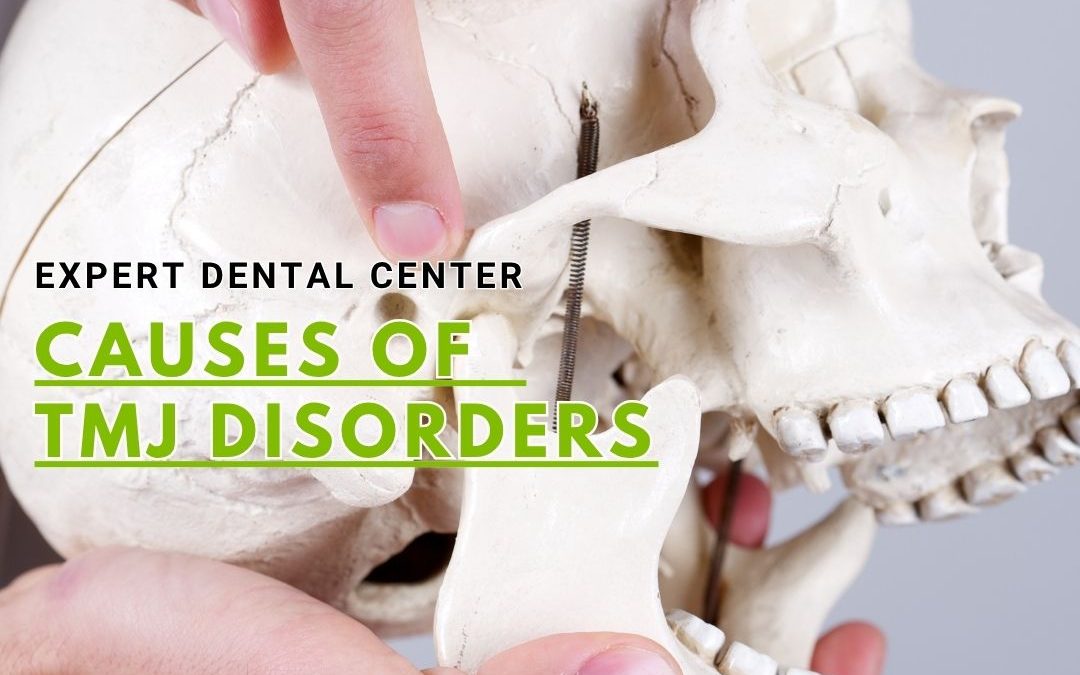
The TMJ connects the lower jaw to the skull and is located right in front of the ears. This joint allows the jaw to move during eating, speaking, and yawning. Any dysfunction in this joint may lead to annoying symptoms that impact quality of life. That’s why it is essential to understand the causes of TMJ disorders in order to treat the condition before it worsens.
Main Causes of TMJ Disorders
There are several causes of TMJ disorders, but they can be summarized in the following main factors:
Chronic psychological stress:
Many people experience ongoing stress, which leads to unconscious clenching of the jaw muscles, especially during sleep. This often causes joint problems.
Teeth grinding or clenching (bruxism):
This is one of the most common causes. It usually occurs during sleep and puts excessive pressure on the joint.
Misaligned bite (malocclusion):
When the upper and lower teeth don’t align properly, the TMJ is under constant strain, which may lead to pain or dysfunction.
Facial or jaw injuries:
Any strong blow to the jaw may affect the joint’s integrity and lead to disorders.
Joint inflammation:
Conditions like rheumatoid arthritis can also affect the TMJ and make jaw movement difficult.
Common Symptoms of TMJ Disorders
TMJ disorders can cause a wide range of symptoms. These may vary from one person to another. The most common include:
- Pain in front of the ear or around the jaw
- Clicking or popping sound when opening or closing the mouth
- Difficulty chewing or moving the jaw
- Chronic headaches or neck pain
- A sensation that the jaw is “locking” or “getting stuck” during movement
Often, these symptoms indicate a problem with the joint or the surrounding muscles, which requires a proper medical evaluation.
Expert Dental Center in Qatar
At the Expert Dental Center in Qatar, doctors work meticulously to diagnose the causes of TMJ disorders using advanced tools such as 3D digital imaging and comprehensive clinical examinations. The center offers personalized treatment plans tailored to each patient’s specific condition and follows the latest global medical protocols.
The clinic also uses laser therapy, specialized physical therapy for the jaw, and digital orthodontics to correct bite issues when necessary.
The dental team has extensive experience and high-level expertise in managing complex TMJ cases, ensuring effective results and noticeable relief for the patient.
If you need more guidance or advanced treatment, you can learn more about Expert Dental Center by visiting their YouTube channel, TikTok account, or official website.
How to Prevent TMJ Disorders
Although the causes are varied, the risk of TMJ disorders can be reduced by following a few simple tips:
- Avoid chewing gum for extended periods
- Reduce stress with exercise or relaxation techniques
- Wear a night guard if you grind your teeth during sleep
- Avoid overextending your jaw when yawning
- Visit your dentist as soon as symptoms appear
Conclusion
In conclusion, understanding the causes of TMJ disorders helps address symptoms early and efficiently—before they turn into chronic conditions. Thanks to modern treatment options available in specialized centers like the Expert Dental Center in Qatar, healing is faster and outcomes are more effective.
So, don’t hesitate to get evaluated if you notice any of the mentioned symptoms. Prevention always starts with proper understanding.