

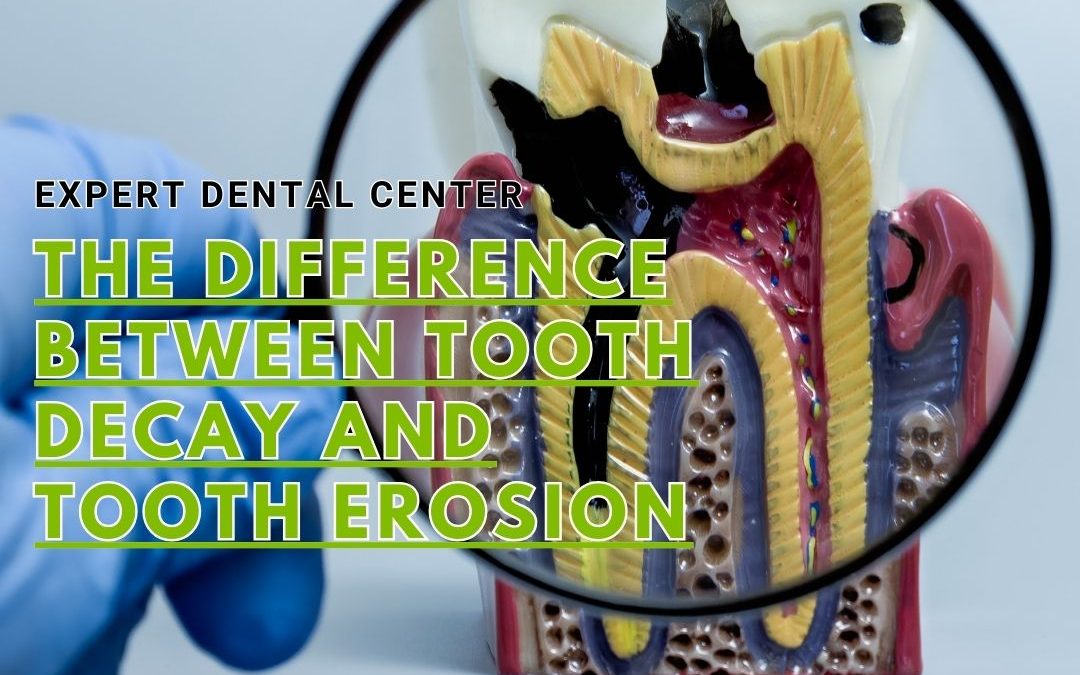
Many patients lack a clear understanding of the difference between cavities and erosion, even though both conditions damage the teeth. However, their causes, progression, and treatment differ significantly. Therefore, learning the difference between cavities and erosion becomes essential for selecting the right method of prevention and treatment, especially with the increasing dental issues tied to modern lifestyle habits.
What Are Cavities and What Causes Them?
Cavities occur when bacteria in the mouth feed on leftover sugars and starches from food. These bacteria produce acids that attack the enamel and create small holes that gradually expand. Over time, the decay reaches deeper layers of the tooth, causing pain and inflammation that may require fillings or even root canal treatment. To prevent cavities, patients should brush their teeth regularly, avoid excessive sugar consumption, and visit the dentist for routine checkups.
What Is Dental Erosion and How Does It Differ from Cavities?
Dental erosion refers to the gradual loss of tooth enamel due to repeated exposure to acids, whether from acidic foods or stomach acid in cases of acid reflux. Unlike cavities, erosion is not caused by bacteria but results directly from acidic factors. The most notable signs include yellowing of the teeth, increased sensitivity, and worn edges. At this point, the difference between cavities and erosion becomes clear: cavities are bacterial, while erosion stems from acid exposure.
Difference Between Cavities and Erosion in Terms of Symptoms
Symptoms of Cavities:
-
Appearance of black or brown spots on the tooth surface
-
Pain when consuming sugary foods
-
Discomfort when drinking cold beverages
-
Often develops in hard-to-clean areas such as between teeth
Symptoms of Dental Erosion:
-
Noticeable transparency at the edges of the teeth
-
Teeth turning yellow over time
-
Heightened sensitivity to hot or cold foods and drinks
-
Visible impact on exposed tooth surfaces
Comparing Treatment Approaches
Treating cavities involves removing the decayed part of the tooth and filling it with a restorative material. In more severe cases, the dentist may need to perform a root canal. In contrast, dental erosion is usually managed by strengthening the enamel using fluoride-based materials or applying cosmetic restorations to protect the eroded surface. Here again, the difference between cavities and erosion is evident in the treatment strategies used.
Expert Dental Center in Qatar
The Expert Dental Center in Qatar stands out as one of the top facilities offering advanced solutions for both cavities and erosion. The center utilizes cutting-edge diagnostic technologies, such as 3D imaging and digital scanning, to precisely assess the extent of the damage. Additionally, the dental team employs modern treatment tools, including high-quality light-cured fillings and advanced fluoride technologies to reinforce enamel.
The center boasts a team of highly experienced dentists who can accurately differentiate between cavities and erosion and provide customized treatment plans for every case. The team also offers comprehensive consultations on daily dental care and educates patients on the distinctions between these conditions to ensure the best long-term outcomes.
If you need more advice or advanced care, feel free to explore Expert Dental Center in Qatar by visiting the center’s location in Doha, or check out their YouTube, TikTok, or official website.
How to Prevent Cavities and Erosion
To stay safe from both conditions, it’s best to adopt a consistent oral care routine that includes:
-
Brushing teeth twice daily using fluoride toothpaste
-
Flossing once a day to clean between teeth
-
Reducing intake of sugary and acidic foods
-
Drinking water after meals to neutralize acids
-
Visiting the dentist every six months for early detection
Following these steps significantly lowers the chances of developing either condition.
Conclusion
Ultimately, every patient should recognize the difference between cavities and erosion. Understanding the root cause helps avoid many potential complications. Cavities result from bacteria and sugar intake, while erosion occurs due to direct acid exposure. Therefore, daily care, prevention strategies, and early diagnosis remain the most vital tools for preserving dental health.