

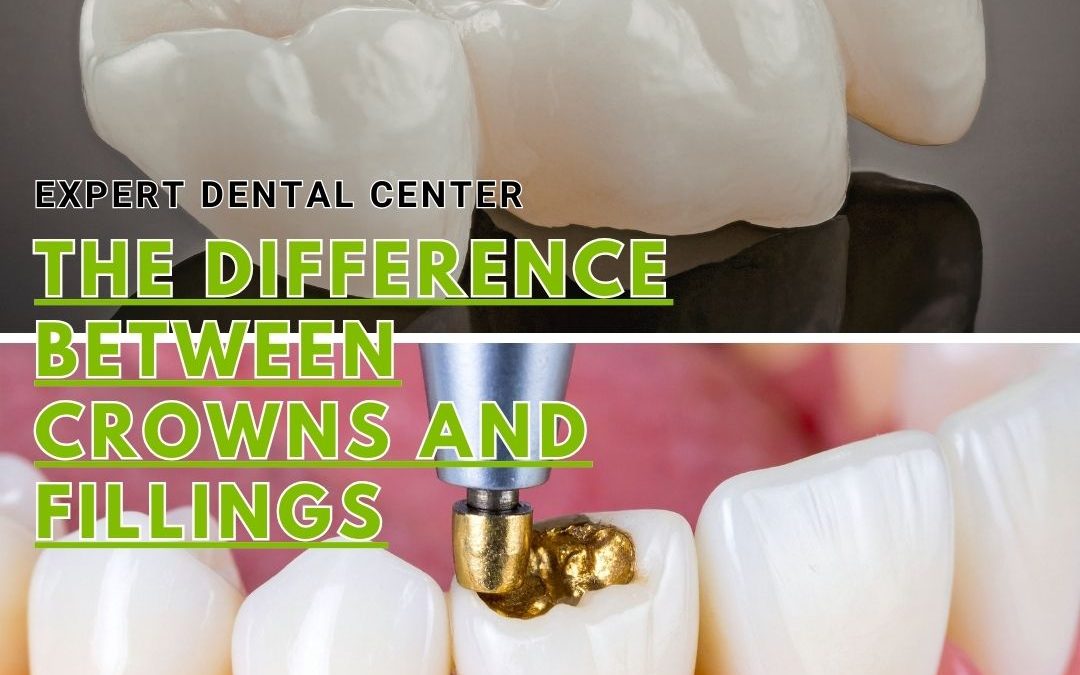
Many patients look for the difference between crowns and fillings when teeth face decay or fractures. Therefore, this topic strongly appears in dental clinics. Moreover, choosing the right treatment directly affects tooth health in the long term. In addition, understanding each treatment option in advance reduces anxiety and supports a proper decision. Consequently, this article explains the key aspects that distinguish each treatment in a clear and direct way.
When Are Dental Fillings Sufficient for Treatment?
Dentists use fillings in cases of mild or moderate decay. Therefore, the filling preserves the healthy part of the tooth. In addition, it often allows the patient to complete treatment in a single visit. Moreover, it reduces the need to remove a large amount of tooth structure. As a result, fillings suit patients with limited damage.
When Does a Patient Need Dental Crowns?
Dentists recommend crowns when the tooth structure becomes clearly weak. Therefore, they often use crowns after root canal treatment or in cases of fractures. In addition, crowns protect the tooth from chewing pressure. Moreover, they help extend the tooth’s lifespan. As a result, crowns form an effective solution for advanced cases.
The Difference Between Crowns and Fillings
From a Therapeutic Concept Perspective
Fillings treat partial damage caused by decay or minor wear. Therefore, the dentist removes only the affected area and preserves as much natural tooth structure as possible. In contrast, crowns fully cover the tooth when it suffers major weakness or visible fractures. In addition, crowns restore tooth strength and primary function. Consequently, dentists choose the suitable treatment based on damage size and overall tooth condition.
In Terms of Durability and Longevity
Fillings last for several years with proper daily care. Therefore, their lifespan depends on the filling material and oral hygiene. On the other hand, crowns offer longer durability and higher resistance to chewing forces. Moreover, they show a lower risk of damage or fracture with daily use. As a result, crowns suit cases that require strong, long-term support.
In Terms of Aesthetic Appearance and Final Results
Cosmetic fillings provide an appearance very close to natural tooth color. Therefore, they blend well with adjacent teeth. In contrast, crowns deliver a harmonious appearance for severely damaged teeth. In addition, ceramic crowns are crafted with high precision to enhance smile aesthetics. Consequently, aesthetics play an important role in treatment selection.
In Terms of Procedure Steps
For fillings, the dentist removes decay only, then places and shapes the filling material, often in one visit. Therefore, the procedure remains quick and simple. On the other hand, crown placement requires broader tooth preparation and precise measurements. In addition, the process may require more than one visit in some cases. As a result, treatment steps and duration differ between both options.
The Difference Between Crowns and Fillings at Expert Dental Center in Qatar
At Expert Dental Center in Qatar, the medical team carefully explains the difference between crowns and fillings for each patient individually. Therefore, the team begins with accurate diagnosis using digital X-rays and 3D imaging. In addition, the center relies on advanced treatment techniques, such as digital smile design, advanced ceramic restorations, and high-quality cosmetic fillings. Moreover, the dentists possess extensive experience and high-level skills in selecting and performing the most suitable treatment for every case. On the other hand, they ensure that patients clearly understand all available options. Patients can also explore services through the official website, follow educational content on YouTube, and stay updated via TikTok.
How Does Early Diagnosis Help in Choosing the Right Treatment?
Early examination helps determine the extent of damage accurately. Therefore, it reduces the need for complex procedures later. In addition, it allows the dentist to preserve more natural tooth structure. Moreover, it improves treatment success rates. As a result, dentists always recommend regular check-ups.
Conclusion
In conclusion, understanding the difference between crowns and fillings highlights the importance of accurate diagnosis before starting any treatment. Therefore, the decision does not rely only on the procedure type but also on tooth condition and overall oral health. In addition, regular follow-ups help maintain treatment results for longer periods. Moreover, dentist expertise and the quality of used technologies play a key role in treatment success. On the other hand, patient commitment to daily care instructions protects teeth from repeated damage. As a result, visiting a specialized and trusted center remains an essential step to maintain a strong and healthy smile for years.