

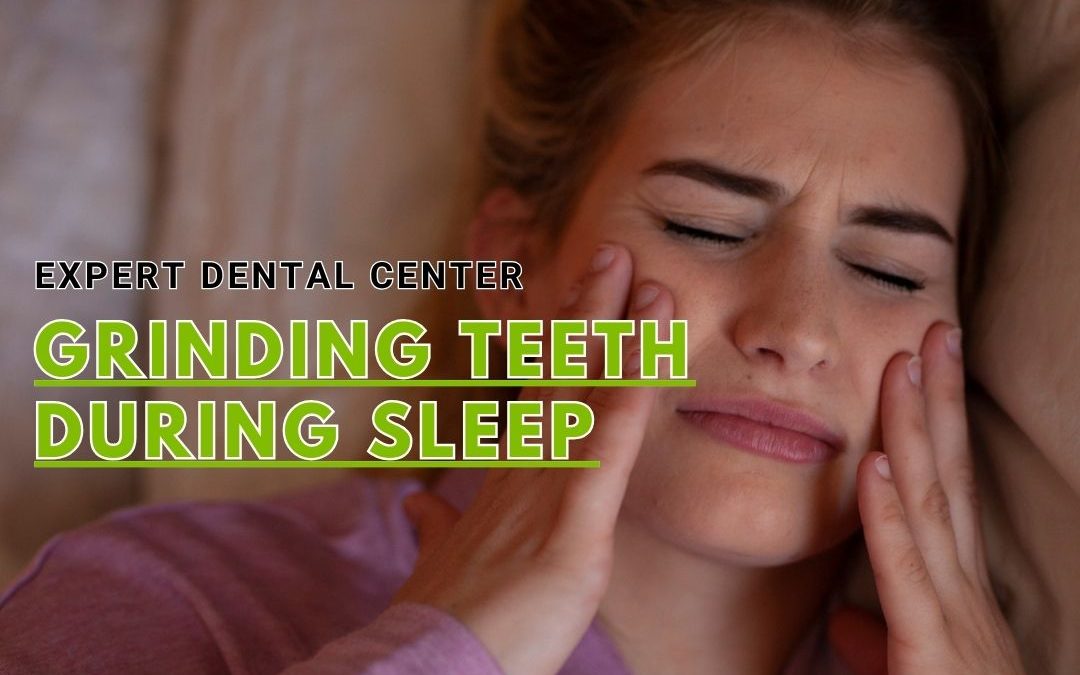
Many people worry about teeth grinding during sleep because it affects oral health and causes noticeable discomfort. Therefore, many individuals look for clear explanations and specific reasons that help them understand this condition. Additionally, this problem affects sleep quality and increases morning fatigue. Moreover, awareness of the issue helps patients manage it before it worsens. On the other hand, this article offers a simple explanation that highlights the most important information related to the condition along with steps that help reduce symptoms and improve daily comfort.
Causes of Teeth Grinding During Sleep
This issue appears due to several factors, including:
-
Doctors check the patient’s psychological health because stress plays a major role in this condition.
-
Sleep disorders such as insomnia increase jaw muscle tension during the night.
-
The doctor reviews the medical history to ensure the absence of harmful habits such as pen chewing or biting teeth while thinking.
-
Bite problems and misaligned teeth create extra pressure during sleep.
-
Stimulants like coffee affect muscle relaxation and raise the likelihood of grinding.
-
Identifying the causes accurately helps select the right treatment plan for each case.
Symptoms of Teeth Grinding During Sleep
The patient recognizes the issue through several clear signs. Therefore, the person feels jaw pain after waking up. Additionally, a bothersome headache appears in the temple area. After that, tooth sensitivity increases when consuming hot or cold drinks. On another note, some patients notice visible enamel wear. Moreover, a sleeping partner may hear grinding sounds at night. As a result, the patient realizes the need for treatment before the damage reaches the jaw joint or the front teeth.
Diagnosis of Teeth Grinding During Sleep
Diagnosis begins with a visit to the dentist. Therefore, the dentist examines the teeth for signs of wear. Additionally, the dentist checks jaw muscles to assess tension. After that, the dentist asks about daily sleep habits. Meanwhile, some dentists use devices that monitor jaw movement during sleep. Moreover, the dentist gives initial advice that helps reduce symptoms before the treatment plan begins. Consequently, the patient receives a clearer understanding of their condition.
Treatment of Teeth Grinding During Sleep
Treatment depends on the cause of the problem and includes the following steps:
-
The dentist recommends a night guard to protect the teeth and reduce friction.
-
Relaxation techniques before sleep help reduce stress and jaw tension.
-
Adjusting the diet contributes to reducing nervous tension and improving sleep quality.
-
The dentist treats bite problems if they cause extra pressure during the night.
-
Special jaw exercises help reduce muscle spasms and improve movement.
-
As a result of these steps, the condition improves gradually, and sleep becomes more stable and comfortable.
Teeth Grinding During Sleep at the Expert Dental Center in Qatar
The center offers advanced care for patients who experience teeth grinding during sleep through clear and accurate steps that begin with a comprehensive diagnosis and continue into treatment. Therefore, the center uses modern techniques such as 3D imaging and digital muscle-strength testing to identify the causes precisely. Additionally, the doctors rely on advanced devices that help them design highly accurate custom night guards. On another note, the center employs doctors who graduated from top global universities, which gives patients strong confidence in the quality of diagnosis and treatment. Moreover, the dentists have extensive experience in treating jaw disorders and related muscle tension. The doctors also provide clear consultations and offer easy communication through multiple channels, making the treatment process comfortable and simple.
If you would like more guidance or advanced care, you can explore the Expert Dental Center in Qatar in person by visiting their location in Doha or check out their latest updates on YouTube and TikTok. For full details and appointment booking, you can visit the official website.
Tips for Managing This Condition
Patients can reduce symptoms by following simple steps, including:
-
The patient avoids sources of stress throughout the day to reduce jaw tension.
-
Breathing exercises help relax jaw muscles and improve comfort.
-
Avoiding stimulants such as coffee and tea before bedtime helps reduce grinding.
-
Warm compresses help reduce muscle tension and ease pain.
-
Some patients rely on physical therapy sessions to improve jaw movement and reduce spasms.
-
As a result of these steps, sleep improves and pain decreases noticeably over time.
Conclusion
In conclusion, understanding teeth grinding during sleep is essential because it affects daily comfort and oral health. Therefore, the patient must monitor symptoms seriously and visit the dentist if the problem continues. Additionally, early treatment offers better results and reduces potential complications. Preventive measures also help protect the teeth from wear and stop the condition from worsening. Moreover, choosing a specialized center ensures accurate diagnosis and a complete treatment plan. Consequently, the patient enjoys better sleep and stronger oral health. Experts always advise paying attention to any pain or sound coming from the jaw during sleep. Ultimately, awareness represents the first step toward solving the problem and improving quality of life.