

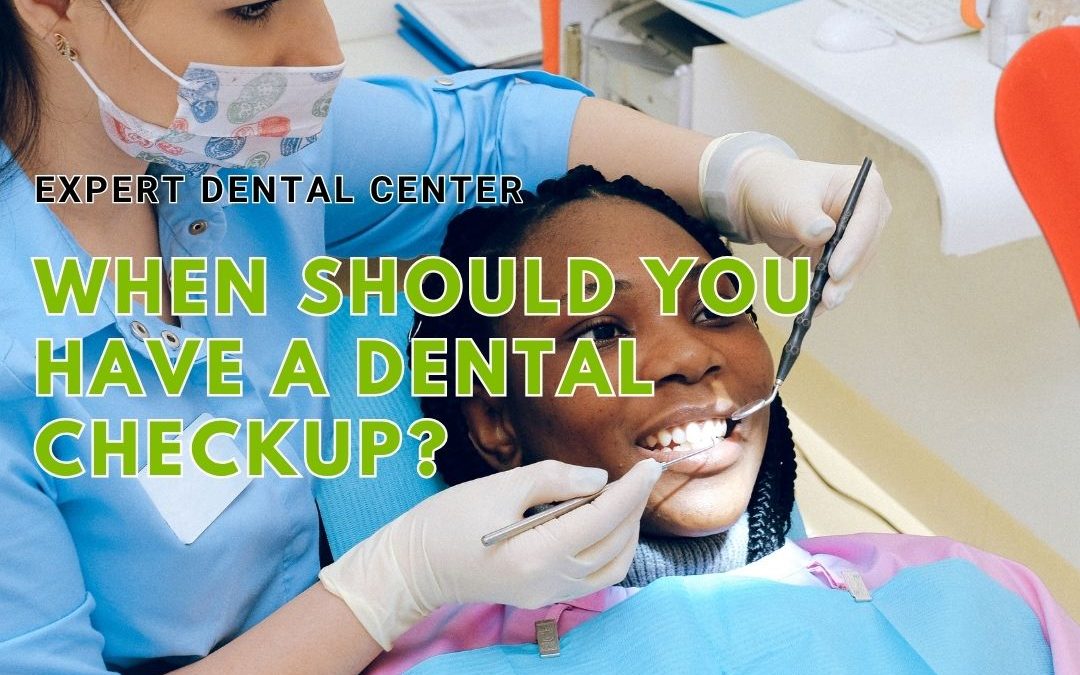
Many people ask, when should you have a dental checkup? Some believe that visiting the dentist only becomes necessary when pain develops. However, this misconception can result in dental problems being discovered at more advanced stages. For this reason, dentists recommend scheduling routine dental examinations even when no symptoms are present. Early checkups allow the dentist to detect tooth decay, gum disease, enamel wear, and other oral changes before they progress. In addition, preventive examinations help patients maintain good oral health with simpler treatments and lower costs. Regular dental visits also enable dentists to monitor the results of previous treatments and ensure they remain stable over time. Ultimately, routine dental checkups should be considered an essential part of a healthy lifestyle rather than a response to pain or discomfort.
When Should You Have a Dental Checkup? Signs That Indicate It’s Time to Visit the Dentist
You should not wait until severe pain develops before scheduling a dental appointment, because many oral conditions begin without noticeable symptoms. Therefore, it is important to pay attention to any unusual changes inside your mouth, even if they seem minor at first. For example, recurring gum bleeding may indicate inflammation that requires early evaluation, while persistent tooth sensitivity can signal an underlying condition that deserves professional assessment. Likewise, persistent bad breath that does not improve with proper oral hygiene should be evaluated to identify its actual cause. In addition, you should visit your dentist if you notice a chipped tooth, discoloration, or discomfort while chewing. Regular examinations are also beneficial after orthodontic treatment, dental restorations, or dental implants, as they allow the dentist to confirm that everything is healing properly and provide personalized recommendations for long-term maintenance.
When Should You Have a Dental Checkup?
Routine dental examinations give dentists the opportunity to evaluate your oral health comprehensively. As a result, many dental professionals recommend regular checkups based on each individual’s needs. Children, for instance, benefit from monitoring the growth and development of their teeth and jaws. Adults, on the other hand, require ongoing assessments of their teeth, gums, and existing dental restorations. Individuals with chronic medical conditions or a history of frequent tooth decay may benefit from more frequent visits according to their dentist’s recommendations. Furthermore, routine examinations provide an excellent opportunity to receive personalized advice about proper brushing techniques, selecting the right toothbrush, using dental floss correctly, and avoiding habits that may negatively affect oral health. Consequently, regular dental checkups become an effective preventive strategy for preserving natural teeth for as long as possible.
What Does a Dentist Examine During a Dental Checkup?
A dental examination usually begins with reviewing the patient’s medical and dental history before evaluating the teeth, gums, and surrounding oral tissues. The dentist then carefully checks for signs of cavities, cracks, enamel erosion, and other abnormalities. Bite alignment is also assessed to identify issues that could interfere with chewing or place unnecessary stress on the jaw joints. When necessary, diagnostic dental X-rays may be recommended to evaluate areas that cannot be fully examined during a clinical inspection alone. In addition, the dentist assesses gum health by looking for signs of inflammation or gum recession. Existing fillings, crowns, bridges, and dental implants are also examined to ensure they remain stable and functional. Once the evaluation is complete, the dentist explains the findings clearly and develops a personalized preventive or treatment plan based on the patient’s specific oral health needs.
How Can You Prepare for Your Dental Checkup?
Proper preparation helps patients gain the greatest benefit from their dental appointment while making the examination more efficient and accurate. Before your visit, it is advisable to brush and floss your teeth thoroughly. It is equally important to make note of any symptoms you have experienced recently, including tooth sensitivity, pain, or gum bleeding. Furthermore, you should inform your dentist about any medications you are taking and any recent changes in your overall health, since these factors may influence treatment recommendations. Preparing questions about your daily oral hygiene routine or available treatment options can also help you make informed decisions regarding your dental care. Finally, attending your appointment as scheduled helps avoid delays in diagnosis while allowing your dentist to compare your current condition with previous examinations and identify any changes that may require additional attention.
Healthy Habits That Help Maintain Your Dental Checkup Results
Maintaining excellent oral health involves much more than visiting the dentist. Daily habits play an equally important role in protecting your teeth and gums between appointments. Dental professionals commonly recommend the following practices:
- Brush your teeth twice daily using fluoride toothpaste.
- Clean between your teeth regularly with dental floss or interdental cleaning devices.
- Reduce sugary foods and sweetened beverages, especially between meals.
- Drink enough water throughout the day to support natural cleansing of the mouth.
- Replace your toothbrush or electric toothbrush head when the bristles become worn.
- Wear a protective mouthguard during sports activities that could cause dental injuries.
- Attend routine dental examinations according to your dentist’s recommended schedule.
When these healthy habits are combined with regular professional checkups, they significantly improve the likelihood of preserving natural teeth and maintaining a healthy smile for many years.
Advanced Dental Care at Expert Dental Center in Qatar
Expert Dental Center in Qatar is committed to providing comprehensive dental care while emphasizing the importance of early diagnosis and helping patients understand when should you have a dental checkup? Every patient begins with a detailed clinical assessment, followed by a personalized discussion about the most appropriate treatment options based on individual needs and expectations. The center utilizes a variety of modern dental technologies that enhance diagnostic accuracy and improve the overall treatment experience, including digital dental imaging, three-dimensional imaging when clinically indicated, CAD/CAM digital restoration systems, and laser-assisted procedures whenever appropriate for the patient’s condition. In addition, the center’s dental team includes highly qualified professionals, many of whom have received education or advanced training at internationally recognized universities and academic institutions. They continually update their knowledge through ongoing professional education and by following the latest evidence-based developments in modern dentistry. Furthermore, the dentists possess extensive clinical experience across multiple dental specialties, allowing them to develop comprehensive treatment plans tailored to each patient. The center also places great importance on clear communication by thoroughly explaining every stage of treatment and answering patients’ questions in understandable language. This patient-centered approach strengthens trust, facilitates communication before, during, and after treatment, and helps patients actively participate in making informed decisions regarding their oral health.
If you would like additional consultations or wish to explore advanced treatment options, you can learn more about Expert Dental Center in Qatar by visiting the center’s location in Doha, following its YouTube channel, checking its TikTok account, or visiting the official website online.
Conclusion
Excellent oral health begins with prevention, making routine dental examinations one of the most valuable investments in your long-term well-being. Every dental visit provides an opportunity to detect potential problems early while giving patients practical guidance before conditions become more complex. Moreover, regular checkups help monitor previous dental treatments and reinforce healthy daily oral hygiene habits. It is equally important to remember that every individual has unique oral healthcare needs depending on age, medical history, and lifestyle. Therefore, your dentist will recommend a personalized examination schedule that best suits your situation. By combining daily oral hygiene, balanced nutrition, and regular dental visits, you greatly increase your chances of maintaining healthy natural teeth and a confident smile for years to come. Instead of waiting until pain appears, make preventive dental care a permanent part of your healthcare routine, because early prevention remains the most effective approach to protecting your oral health.