

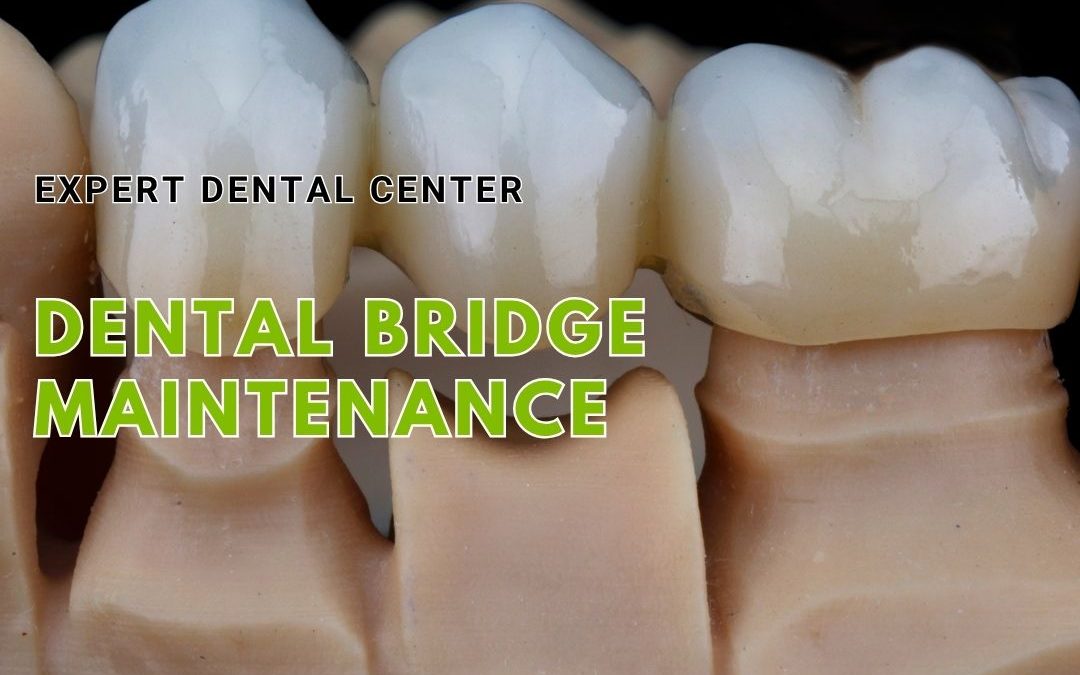
Many people focus on receiving a dental bridge but pay less attention to maintaining it after treatment. In reality, proper dental bridge maintenance plays a vital role in preserving both the function and appearance of the restoration while supporting the health of the surrounding teeth and gums. For this reason, dentists emphasize that successful treatment depends not only on the quality of the bridge but also on consistent daily care and regular professional follow-up. Furthermore, routine maintenance helps identify potential concerns before they become more complicated. As a result, patients can protect their investment, maintain comfortable chewing, and enjoy a healthy, natural-looking smile for many years.
Dental Bridge Maintenance: Daily Habits That Protect Your Restoration
Daily oral hygiene is one of the most important factors affecting the longevity of a dental bridge. Therefore, dentists recommend brushing your teeth twice a day with fluoride toothpaste while paying close attention to the areas surrounding the bridge. In addition, cleaning underneath the artificial tooth with specialized bridge floss or interdental cleaning devices helps remove plaque and food debris that regular brushing may not reach. Drinking water after meals and maintaining healthy gums also contribute to long-term success. When these habits become part of your daily routine, they help reduce bacterial accumulation, support healthy surrounding tissues, and improve the long-term stability of the bridge.
Dental Bridge Maintenance: When Should You Visit Your Dentist?
Routine dental appointments are essential because they allow dentists to evaluate not only the bridge itself but also the overall health of the supporting teeth and surrounding gums. Patients should schedule an appointment if they notice persistent discomfort, movement of the bridge, changes in their bite, difficulty chewing, or continuing gum bleeding around the restoration. Likewise, persistent bad breath may indicate an underlying condition that requires professional evaluation. Even in the absence of symptoms, regular examinations remain important because dentists can identify small changes before they become significant clinical problems. Professional cleaning also helps maintain areas that are difficult to access through home care alone.
What Factors Influence the Lifespan of a Dental Bridge?
Several factors determine how long a dental bridge will remain functional. Excellent oral hygiene, healthy supporting teeth, and healthy gum tissues all contribute significantly to long-term success. The type of restorative material selected, the patient’s bite forces, and daily habits also influence durability. Furthermore, avoiding harmful behaviors such as chewing hard objects or clenching the teeth unnecessarily reduces excessive stress on the bridge. Regular professional examinations allow dentists to monitor the restoration and recommend preventive care whenever necessary. Together, these factors help maximize both the longevity and performance of the dental bridge.
How Can You Extend the Life of Your Dental Bridge?
Long-lasting results require a combination of professional care and patient commitment. Dentists encourage patients to follow personalized oral hygiene instructions while attending scheduled maintenance appointments. These visits allow early detection of minor issues before they develop into major restorative problems. Maintaining a balanced diet and protecting the supporting teeth from decay are equally important because the bridge depends on their stability. By combining consistent home care with professional monitoring, patients can preserve both the function and aesthetics of their restoration for many years.
Practical Tips for Maintaining Dental Bridges
Dentists commonly recommend the following habits:
- Brush twice daily using fluoride toothpaste.
- Clean beneath the bridge with bridge floss or interdental cleaning devices.
- Maintain healthy gums through regular oral hygiene.
- Limit sugary snacks and beverages between meals.
- Avoid chewing ice or other hard objects.
- Contact your dentist if the bridge feels loose or uncomfortable.
- Attend routine dental examinations according to your personalized schedule.
Following these recommendations consistently helps protect both the bridge and the supporting natural teeth.
Advanced Dental Bridge Care at Expert Dental Center in Qatar
Expert Dental Center in Qatar provides comprehensive follow-up care for patients with dental bridges because maintaining successful treatment is just as important as performing the original restoration. Every patient receives a detailed clinical evaluation of the bridge, supporting teeth, bite, and surrounding gum tissues before an individualized maintenance plan is developed. The center utilizes advanced technologies, including digital dental imaging, three-dimensional imaging when clinically indicated, CAD/CAM digital restorative systems, and high-magnification equipment that supports accurate examination and treatment planning. Many members of the dental team have completed education or advanced professional training at internationally recognized universities and continue updating their clinical knowledge through continuing education and evidence-based dentistry. Their extensive experience in restorative and prosthetic dentistry allows them to provide personalized recommendations that preserve both the restoration and the natural teeth supporting it. In addition, the team places strong emphasis on patient communication by clearly explaining examination findings, maintenance strategies, and available treatment options. This collaborative approach encourages patients to participate actively in maintaining their oral health while promoting long-term treatment success.
If you would like more guidance or advanced care, you can explore the Expert Dental Center in Qatar in person by visiting their location in Doha or check out their latest updates on YouTube and TikTok. For full details and appointment booking, you can visit the official website.
Conclusion
Successful dental bridge treatment does not end after placement. Instead, long-term success depends on continuous maintenance, excellent oral hygiene, and regular professional care. Daily cleaning, healthy lifestyle habits, and routine dental examinations all help preserve the bridge while protecting the supporting teeth and surrounding gums. Since every patient presents unique oral health needs, dentists develop personalized maintenance plans based on clinical findings rather than using a universal approach. By combining preventive care with consistent follow-up, patients can significantly improve the longevity of their dental bridges, maintain comfortable oral function, and enjoy healthy, confident smiles for many years.