

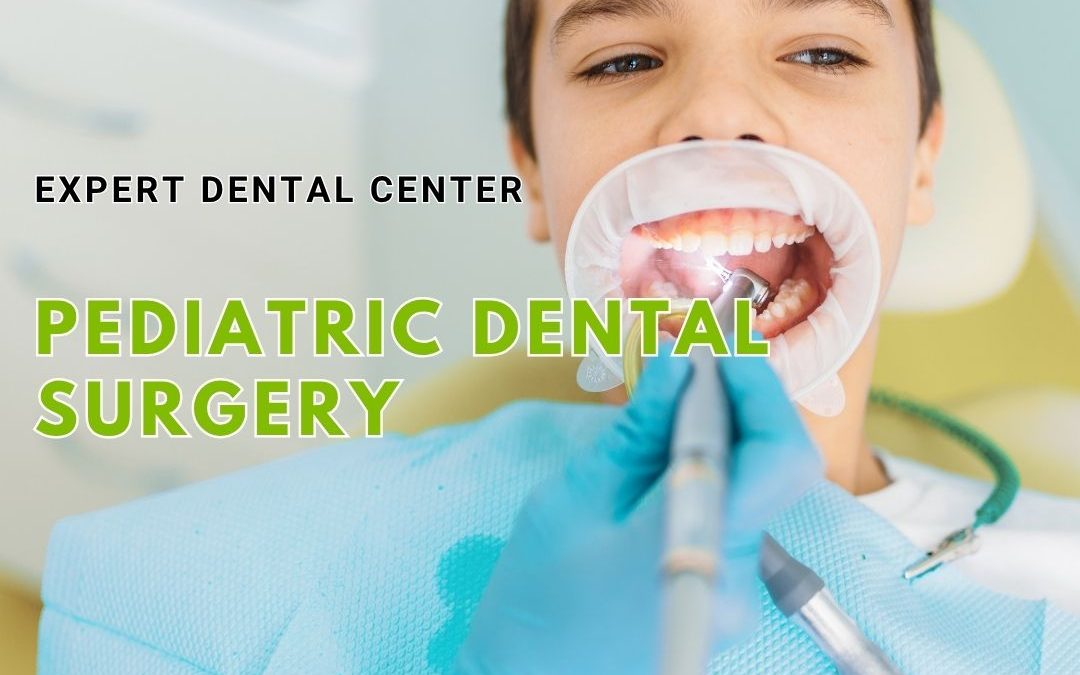
Many parents wonder when pediatric dental surgery becomes necessary, especially if their child experiences persistent pain or a dental condition that affects normal oral development. In reality, pediatric dentists recommend surgery only after conducting a thorough clinical evaluation and considering conservative treatment options whenever appropriate. The decision depends on several factors, including the child’s age, stage of dental development, clinical examination, and diagnostic imaging. In some situations, surgery may help remove retained primary teeth that block permanent tooth eruption, treat impacted or supernumerary teeth, or manage certain dental injuries and infections. Early diagnosis allows dentists to choose the most appropriate treatment at the right time, helping protect long-term oral health and support healthy dental development.
Pediatric Dental Surgery: The Most Common Procedures
Pediatric dental surgery includes a variety of procedures designed to preserve oral health while supporting proper growth of the teeth and jaws. A child may require extraction of a primary tooth if it interferes with the eruption of a permanent tooth. Likewise, impacted or extra teeth may require surgical management after careful evaluation. Dentists also treat selected dental injuries caused by falls or accidents when surgery offers the most appropriate solution. In more complex situations, pediatric dentists collaborate with oral surgeons or orthodontists to develop a comprehensive treatment plan. Because every child presents unique clinical needs, dentists select the most suitable procedure only after reviewing all clinical findings and diagnostic images.
Pediatric Dental Surgery: Preparing Your Child for the Procedure
Proper preparation helps children feel more comfortable and confident before treatment. Therefore, pediatric dentists explain each step using simple language that matches the child’s level of understanding. They also review the child’s medical history, medications, allergies, and any health conditions that could influence treatment planning. When necessary, parents receive clear instructions regarding eating, drinking, and preparation before the appointment. In addition, parents can support their child by discussing the visit calmly and honestly without using words that increase fear or anxiety. When children understand what to expect and feel emotionally supported, they usually cooperate better during treatment, making the overall experience more positive for both the child and the family.
How Do Dentists Select the Most Appropriate Surgical Treatment?
Dentists evaluate multiple clinical factors before recommending any surgical procedure. They assess the child’s age, stage of tooth development, location of the problem, and its possible effects on neighboring teeth and jaw growth. Clinical examination is combined with diagnostic imaging to create a complete understanding of the condition. Dentists also discuss expected benefits, available alternatives, and follow-up care with parents so they can make informed decisions. Whenever possible, the dentist selects the least invasive option that effectively addresses the problem while preserving healthy teeth and surrounding tissues.
Caring for Your Child After Dental Surgery
Proper postoperative care plays an important role in supporting healing and reducing discomfort. Dentists provide parents with personalized instructions based on the child’s age, overall health, and the specific procedure performed. Parents should follow medication instructions carefully whenever medications are prescribed and observe their child during the first hours after treatment. Soft foods and adequate hydration are often recommended when appropriate for the procedure. Maintaining oral hygiene according to the dentist’s recommendations also supports healthy healing. If parents notice persistent bleeding, increasing swelling, severe pain, or any unexpected symptoms, they should contact the dental team promptly for further evaluation.
Helpful Tips for a Successful Recovery
Parents can support successful healing by following these practical recommendations:
- Follow all postoperative instructions provided by the dentist.
- Encourage your child to avoid touching the surgical area with fingers or the tongue.
- Offer soft foods for the period recommended by the dentist.
- Maintain good oral hygiene using age-appropriate cleaning methods.
- Attend every scheduled follow-up appointment.
- Contact the dentist if unusual bleeding, swelling, or other concerning symptoms develop.
- Reassure and encourage your child throughout the recovery period.
Consistent home care combined with professional follow-up helps children recover comfortably and promotes healthy long-term results.
Advanced Pediatric Dental Care at Expert Dental Center in Qatar
Expert Dental Center in Qatar provides pediatric dental surgery within a child-friendly environment that prioritizes safety, comfort, and individualized care. Every treatment journey begins with a detailed clinical assessment and a thorough discussion with parents regarding diagnosis, treatment options, expected outcomes, and postoperative care. The center incorporates modern dental technologies, including digital dental imaging, three-dimensional imaging when clinically indicated, advanced diagnostic systems, and precision equipment that supports accurate treatment planning. Many members of the dental team have received education or advanced clinical training at internationally recognized universities and continue enhancing their expertise through ongoing professional education and evidence-based dentistry. Their experience in pediatric dentistry enables them to communicate effectively with children, helping reduce anxiety while encouraging cooperation during treatment. The dental team also maintains open communication with parents by explaining each stage of care clearly and answering questions before, during, and after treatment. This collaborative approach strengthens trust, supports informed decision-making, and promotes successful long-term oral health outcomes.
If you would like additional consultations or wish to explore advanced treatment options, you can learn more about Expert Dental Center in Qatar by visiting the center’s location in Doha, following its YouTube channel, checking its TikTok account, or visiting the official website online.
Conclusion
Pediatric dental surgery aims to protect children’s oral health and support healthy dental development whenever surgical treatment becomes necessary. Successful outcomes depend on accurate diagnosis, individualized treatment planning, and careful postoperative follow-up. Parents also play an essential role by preparing their child, following professional instructions, and attending scheduled review appointments. Routine dental visits allow dentists to monitor growth, identify developing concerns early, and recommend timely intervention when needed. Because every child has unique developmental and clinical needs, treatment plans should always be personalized. By combining expert dental care, supportive parenting, and consistent preventive practices, families can help children maintain healthy teeth, healthy jaws, and confident smiles throughout childhood.