

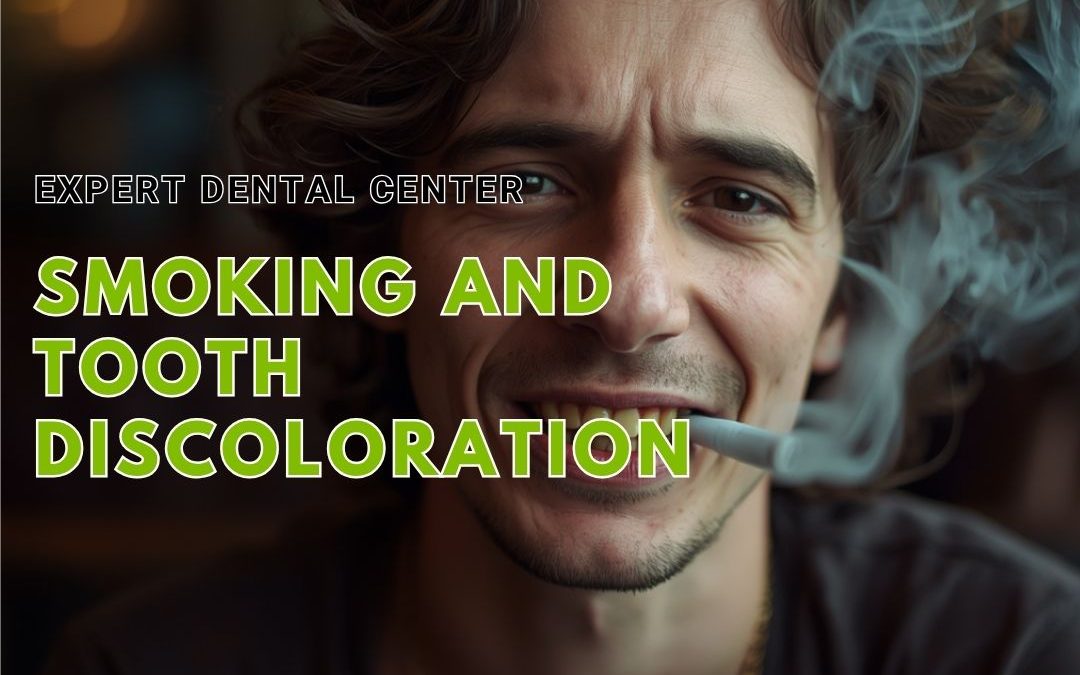
Many people notice gradual changes in the color of their teeth and begin searching for information about smoking and tooth discoloration. Tobacco products contain substances such as tar and nicotine that adhere to the tooth surface and gradually create external stains. As exposure continues, these stains often become darker and more difficult to remove with routine brushing alone. In addition, inadequate oral hygiene may increase plaque and tartar accumulation, making discoloration even more noticeable. Therefore, dentists first determine the exact cause of the color change before recommending treatment because external stains require a different approach from intrinsic tooth discoloration. Accurate diagnosis allows patients to receive the most appropriate cosmetic and preventive care.
Smoking and Tooth Discoloration: How Does Tobacco Affect Tooth Color?
Tobacco affects dental appearance through several mechanisms, and the degree of discoloration varies from one person to another depending on smoking habits and oral hygiene. Pigmented compounds gradually accumulate on the enamel surface, making the teeth appear yellow, brown, or darker over time. Furthermore, smoking may contribute to increased plaque accumulation, which can intensify staining if oral hygiene remains inadequate. Some smokers also experience persistent bad breath or a greater likelihood of developing gum-related problems when additional risk factors are present. Consequently, combining excellent daily oral care with regular professional dental cleanings helps reduce stain accumulation and maintain a healthier smile.
Smoking and Tooth Discoloration: Can the Stains Be Removed?
The success of stain removal depends on both the type and severity of discoloration. For this reason, dentists begin by performing a comprehensive examination before recommending any cosmetic treatment. Professional dental cleaning often removes a significant amount of external staining associated with smoking. After cleaning, dentists may discuss professional tooth whitening when the patient’s teeth and gums are suitable for the procedure. However, patients should understand that continuing to smoke after whitening may lead to the gradual return of discoloration. Therefore, reducing tobacco exposure while maintaining excellent oral hygiene provides the best opportunity for preserving whitening results over time.
How Do Dentists Diagnose the Cause of Tooth Discoloration?
Dentists evaluate more than tooth color alone when determining the cause of discoloration. The examination begins with reviewing the patient’s medical history and lifestyle habits, including tobacco use and consumption of staining foods or beverages. Next, the dentist evaluates the teeth, gums, plaque accumulation, tartar deposits, existing restorations, and other factors that may influence dental appearance. The dentist also distinguishes between external staining on the tooth surface and intrinsic discoloration within the tooth structure because each condition requires a different treatment approach. After completing the evaluation, the dentist explains the findings clearly and recommends individualized treatment options that improve both appearance and oral health.
How Can You Maintain Whiter Teeth After Stain Removal?
Long-term success depends largely on daily oral hygiene and healthy lifestyle habits. Dentists encourage patients to brush twice daily, clean between the teeth regularly, and attend routine professional dental examinations. Reducing or quitting smoking also helps preserve whitening results while supporting healthier teeth and gums. Limiting exposure to other staining substances and maintaining regular professional cleanings further reduces the risk of recurrent discoloration. By combining preventive home care with professional monitoring, patients can enjoy brighter smiles for a longer period.
Helpful Tips to Reduce Smoking-Related Tooth Staining
Dentists commonly recommend the following strategies:
- Brush your teeth twice daily using fluoride toothpaste.
- Clean between your teeth with dental floss or interdental cleaning devices.
- Schedule regular professional dental cleanings.
- Reduce or stop smoking whenever possible.
- Drink water after smoking or consuming staining beverages.
- Avoid unapproved home whitening products without professional advice.
- Follow your dentist’s instructions after professional cleaning or whitening treatment.
Consistently following these recommendations helps reduce external staining while supporting overall oral health.
Advanced Cosmetic Dental Care at Expert Dental Center in Qatar
Expert Dental Center in Qatar provides comprehensive evaluation and treatment for patients concerned about smoking-related tooth discoloration. Every patient receives a detailed assessment to determine whether discoloration is external, intrinsic, or influenced by multiple factors before an individualized treatment plan is developed. The center utilizes advanced dental technologies including digital imaging, three-dimensional imaging when clinically indicated, professional whitening systems, advanced professional cleaning techniques, and CAD/CAM restorative technologies whenever cosmetic restorations become appropriate. Many members of the dental team have completed education or advanced professional training at internationally recognized universities and continue enhancing their expertise through continuing education and evidence-based dentistry. Their extensive experience in cosmetic and restorative dentistry enables them to recommend personalized treatment strategies while preserving healthy natural tooth structure. The team also prioritizes patient communication by explaining every available treatment option, discussing realistic expectations, and answering questions before, during, and after care. This collaborative approach supports informed decision-making and encourages long-term maintenance of both oral health and aesthetic results.
If you would like more guidance or advanced care, you can explore the Expert Dental Center in Qatar in person by visiting their location in Doha or check out their latest updates on YouTube and TikTok. For full details and appointment booking, you can visit the official website.
Conclusion
Smoking-related tooth discoloration develops gradually, but early professional care can significantly improve both dental appearance and oral health. Accurate diagnosis allows dentists to determine whether discoloration results from external stains or deeper structural changes before recommending appropriate treatment. Professional cleaning, tooth whitening when clinically appropriate, and consistent oral hygiene all contribute to healthier, brighter teeth. Because every patient presents unique clinical findings and cosmetic goals, dentists create individualized treatment plans rather than applying the same solution to everyone. By combining professional dental care, healthy daily habits, and reduced tobacco exposure, patients can maintain brighter smiles and better oral health for many years.