

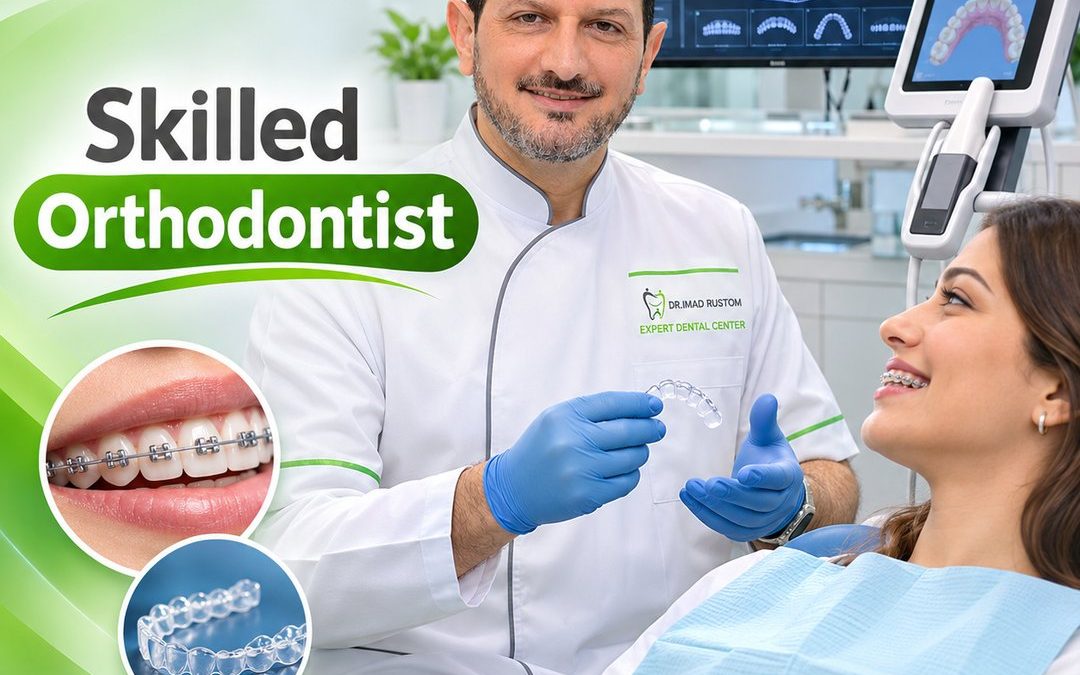
The Importance of Choosing a Skilled Orthodontist
Properly aligned teeth play an important role in creating an attractive smile and maintaining good oral health. Additionally, a balanced bite improves chewing efficiency and distributes biting forces across the teeth. Therefore, orthodontic treatment requires an accurate diagnosis and a personalized treatment plan. Orthodontics goes beyond improving the appearance of teeth. It also addresses dental crowding, spacing, and certain bite irregularities. For this reason, choosing a skilled orthodontist helps patients identify the most appropriate treatment for their needs. Furthermore, an orthodontic specialist evaluates jaw relationships, gum health, and supporting bone structures. The specialist also considers the patient’s age, expectations, and functional and aesthetic goals. Meanwhile, some cases require collaboration between orthodontists and other dental specialists. Moreover, modern digital technologies improve treatment planning and help monitor tooth movement. Ultimately, successful orthodontic care combines professional expertise, patient cooperation, and regular follow-up to maintain lasting results.
How to Choose a Skilled Orthodontist for Your Needs
Choosing the right orthodontic specialist begins with evaluating professional qualifications and clinical experience. First, patients should verify that the dentist has completed specialized training in orthodontics and jaw alignment. Additionally, practical experience helps orthodontists manage different dental conditions and treatment challenges. However, years of experience alone do not determine professional competence. Patients should also consider diagnostic skills and the ability to develop individualized treatment plans. Furthermore, a qualified orthodontist explains available treatment options, their benefits, and their limitations. The specialist should also discuss the expected treatment duration, costs, and potential complications. Meanwhile, patients can ask about previous experience with similar orthodontic cases. Reviewing professional credentials and licensing information also supports informed decision-making. Most importantly, the orthodontist should listen carefully to patient concerns and answer questions clearly. Consequently, selecting the right specialist involves academic qualifications, clinical expertise, transparent communication, and professional trust.
Why Comprehensive Diagnosis Matters Before Orthodontic Treatment
Accurate diagnosis forms the foundation of every stage of orthodontic treatment. Initially, the orthodontist examines tooth alignment, bite relationships, and jaw positioning. Next, the specialist evaluates gum health, supporting bone structures, and overall dental condition. Additionally, reviewing medical history and oral habits helps identify factors that may influence treatment. The orthodontist may also use clinical photographs and digital intraoral scans to document the patient’s condition. Furthermore, appropriate dental X-rays help assess tooth roots, bone structures, and jaw development. However, not every patient requires three-dimensional imaging. Instead, the specialist determines its necessity according to clinical findings. Meanwhile, comprehensive examinations may reveal skeletal problems that require additional treatment approaches. Therefore, establishing clear treatment objectives before selecting orthodontic appliances remains essential. Early diagnosis also helps patients understand expected outcomes. Ultimately, careful treatment planning reduces unnecessary interventions and supports safer orthodontic care.
The Role of a Skilled Orthodontist in Choosing Orthodontic Appliances
Orthodontic appliances vary in design, function, and treatment requirements. Therefore, no single orthodontic system suits every patient. For example, traditional metal braces can correct a wide range of alignment and bite problems. Meanwhile, ceramic braces offer a less noticeable appearance during treatment. Additionally, clear aligners provide an aesthetic alternative for appropriately selected cases. However, patients must follow the prescribed daily wearing schedule to achieve the planned tooth movements. Furthermore, some patients benefit from functional appliances or palatal expanders. Temporary anchorage devices can also help orthodontists control specific tooth movements. Nevertheless, treatment success depends on accurate diagnosis and the nature of the orthodontic problem. Therefore, patients should avoid choosing braces based solely on appearance or cost. Instead, they should consider oral health, comfort, and treatment objectives. Ultimately, individualized planning helps achieve balanced functional and aesthetic results.
Advanced Orthodontic Technologies and Digital Smile Planning
Orthodontics has experienced significant advancements in diagnostic tools and treatment planning. Modern technologies have improved procedural precision and expanded the range of available treatment options. Some of the most important innovations include:
-
Digital Intraoral Scanners: These devices create accurate digital models of the teeth. Consequently, they can reduce the need for conventional dental impressions in certain cases.
-
3D Treatment Planning Software: These programs help orthodontists simulate proposed tooth movements. Additionally, they support the design of clear aligners and customized orthodontic appliances.
-
Digital Dental X-rays: Digital radiography provides valuable information about teeth, roots, and supporting bone structures. Furthermore, it helps orthodontists evaluate dental conditions and develop appropriate treatment plans.
-
Cone Beam Computed Tomography (CBCT): This technology produces detailed three-dimensional images of the jaws and surrounding bone structures. Orthodontists use it when specific clinical conditions require more detailed assessment.
-
Temporary Anchorage Devices (TADs): These small orthodontic implants provide additional anchorage points. As a result, they help specialists control complex tooth movements.
-
Digital Clear Aligner Therapy: This approach uses computer-assisted planning to design a sequence of aligners. Each aligner gradually moves teeth according to the treatment plan.
How Does Orthodontic Expertise Affect Treatment Duration?
Orthodontic treatment duration varies according to the type and severity of the problem and the patient’s biological response. For example, mild dental crowding may require less time than complex bite irregularities. Additionally, age, gum health, and supporting bone conditions influence treatment planning. Therefore, orthodontists cannot guarantee the same treatment duration for every patient. However, clinical experience helps specialists estimate treatment timelines and organize treatment stages. Regular follow-up appointments also help identify problems and make timely adjustments. Meanwhile, applying stronger orthodontic forces does not necessarily accelerate tooth movement. In fact, excessive force may increase the risk of certain complications. Furthermore, inconsistent aligner wear or improper use of orthodontic elastics can delay progress. Therefore, patients should follow professional instructions and attend scheduled appointments. Ultimately, protecting dental health and maintaining stable results should take priority over achieving unusually rapid treatment.
When Should You Visit a Skilled Orthodontist?
Orthodontists can identify certain dental and jaw problems before obvious symptoms develop. Therefore, the American Association of Orthodontists recommends an initial orthodontic evaluation by age seven. However, not every child needs immediate treatment at this age. Instead, early assessment helps determine whether intervention or continued monitoring is appropriate. Additionally, patients should seek professional advice when they notice severe crowding or significantly protruding teeth. Crossbites and certain bite irregularities also require specialist evaluation. Meanwhile, adults can benefit from orthodontic treatment at different ages. Nevertheless, the orthodontist must assess gum health and supporting bone structures before recommending treatment. Furthermore, some patients need orthodontic preparation before dental implants or restorative procedures. Therefore, the ideal treatment timing depends on individual clinical findings rather than age alone. Ultimately, early consultation helps patients understand available options and prevent potential complications.
Dr. Imad Rustom: German-Trained Orthodontic Expertise in Qatar
Dr. Imad Rustom stands out among professionals patients may consider when searching for a skilled orthodontist in Qatar. He has more than 28 years of professional experience in orthodontics and jaw alignment. Furthermore, he founded Expert Dental Center in Qatar in 2018. Dr. Rustom earned his Bachelor of Dental Surgery from Damascus University in 1995. He subsequently obtained specialized qualifications in Germany. His academic background includes specialization in fixed prosthodontics in 1999 and orthodontics in 2003. Additionally, he received Invisalign certification in 2001 and Incognito lingual orthodontics certification in 2006. He also obtained certification in orthodontic mini-implants in 2007. Throughout his career, he has practiced in Germany, Syria, Saudi Arabia, and Qatar. Moreover, his professional interests include clear aligners, lingual orthodontics, and digital smile planning. He also manages cases requiring assessment of jaw relationships and oral function. Dr. Rustom speaks Arabic, English, and German, facilitating communication with patients from different backgrounds. Consequently, his professional background combines specialized training, international experience, and a focus on functional and aesthetic orthodontic outcomes.
Modern Orthodontic Treatment at Expert Dental Center in Qatar
Expert Dental Center in Qatar offers a dental care environment that emphasizes professional expertise and individualized treatment planning. According to his professional profile, Dr. Imad Rustom established the center in 2018. Patients can inquire about orthodontic services, jaw alignment treatments, and available therapeutic options. First, effective orthodontic care begins with a comprehensive examination of the teeth, gums, and bite. Subsequently, the specialist develops a treatment plan that considers functional and aesthetic objectives. Furthermore, modern orthodontic technologies include digital intraoral scanners, three-dimensional imaging, and advanced treatment planning software. Other options include clear aligners, lingual braces, and specialized anchorage devices. However, appliance selection depends on clinical diagnosis and the technologies available at the center. Additionally, Dr. Rustom’s German specialist qualifications and international experience provide valuable professional background for patients evaluating orthodontic expertise. Direct communication with dental professionals also helps patients discuss treatment alternatives, costs, and instructions. Moreover, multilingual communication supports patients from diverse backgrounds. Ultimately, regular follow-up appointments help improve the treatment experience and maintain orthodontic results.
If you would like additional consultations or wish to explore advanced treatment options, you can learn more about Expert Dental Center in Qatar by visiting the center’s location in Doha, following its YouTube channel, checking its TikTok account, or visiting the official website online.
Conclusion
Successful orthodontic treatment depends on choosing a qualified specialist with appropriate academic credentials and clinical experience. Accurate diagnosis also provides the foundation for selecting suitable appliances and developing an effective treatment plan. Furthermore, modern technologies, including clear aligners and digital treatment planning, offer patients a wider range of orthodontic options. Meanwhile, maintaining healthy gums, following professional instructions, and attending regular appointments contribute to better treatment outcomes. Ultimately, combining specialist expertise with consistent patient cooperation supports healthier teeth and more stable orthodontic results.