

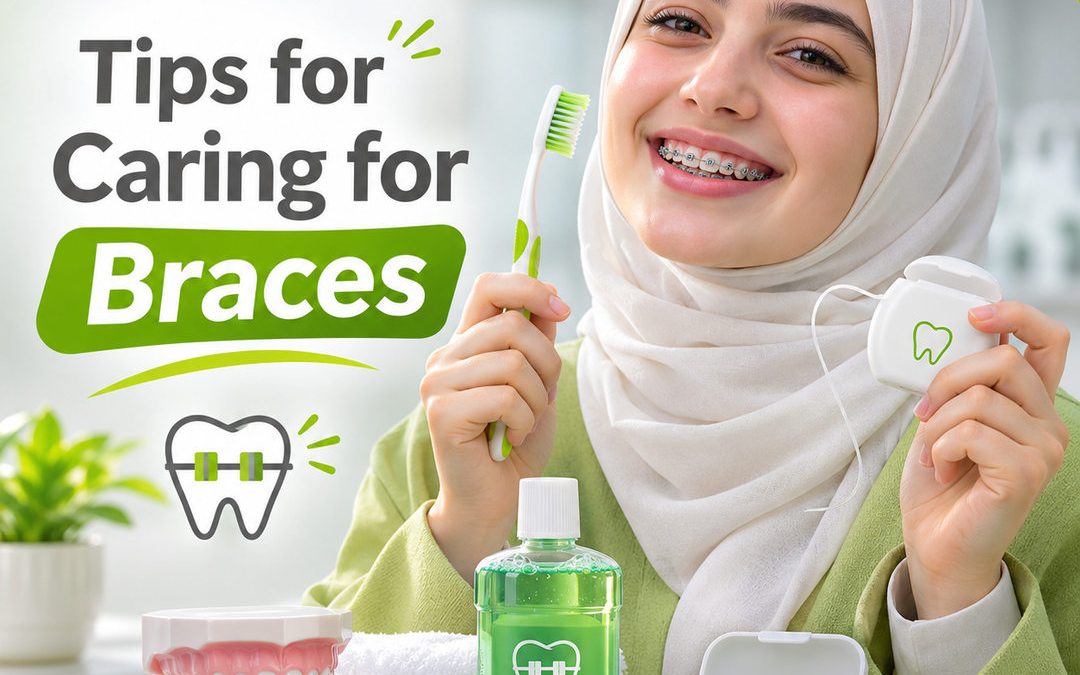
Braces care tips help protect teeth and gums throughout orthodontic treatment. They also help reduce complications that could delay treatment results. Orthodontic appliances require daily attention because brackets and wires create small spaces where food particles and bacterial plaque accumulate. Therefore, conventional brushing alone may not provide adequate cleaning. Instead, patients need appropriate cleaning tools, healthy dietary habits, and regular orthodontic checkups. Furthermore, the quality of home care influences the risk of tooth decay, gum inflammation, and white spot lesions around brackets. However, cleaning requirements differ between fixed braces and clear aligners. Consequently, patients should understand their orthodontic appliances before establishing an appropriate care routine. This guide explores practical steps to protect oral health, improve comfort, and maintain consistent treatment progress.
Braces Care Tips for Effective Daily Cleaning
Fixed braces require thorough cleaning around brackets and underneath wires because conventional toothbrushes may not reach every surface. Therefore, dentists recommend using a soft-bristled toothbrush and fluoride toothpaste. Additionally, interdental brushes help remove food particles from areas surrounding orthodontic components. Floss threaders also make it easier to clean underneath wires and between teeth. Whenever possible, patients should brush after meals while maintaining thorough cleaning at least twice daily. Furthermore, gentle brushing pressure helps prevent gum irritation. Patients should also pay attention to the inner surfaces of their teeth and the gumline. Finally, checking the teeth in a mirror after brushing helps identify food particles that may remain around brackets and wires.
Braces Care Tips for Eating and Choosing Foods
Food choices directly affect the condition of orthodontic brackets and wires. Therefore, patients should carefully select their meals throughout treatment. For example, hard nuts and candies may damage fixed orthodontic appliances. Similarly, chewy sweets can stick to brackets and make cleaning more difficult. Instead of biting directly into apples, carrots, or other firm foods, patients should cut them into smaller pieces. Furthermore, limiting sugary beverages and frequent snacking helps reduce the risk of tooth decay. Excessive consumption of acidic drinks may also contribute to enamel erosion. However, patients can still enjoy a nutritious and varied diet without following unnecessarily restrictive eating plans. After orthodontic adjustments, softer foods may provide greater comfort when teeth feel sensitive. Ultimately, balanced eating habits protect oral health and help prevent unnecessary orthodontic repairs.
Essential Tools for Proper Orthodontic Care
Choosing suitable cleaning tools helps patients maintain better oral hygiene, especially when wearing fixed brackets and wires. However, not every patient needs an extensive collection of dental products. Instead, the most appropriate tools depend on the orthodontic appliance, gum condition, and accessibility of the spaces between teeth. The following tools can support effective cleaning:
-
Soft-bristled toothbrush: Gently cleans teeth and the gumline while reducing the risk of tissue irritation.
-
Fluoride toothpaste: Strengthens tooth enamel and helps prevent cavities.
-
Interdental brush: Reaches areas around brackets and underneath orthodontic wires.
-
Dental floss: Cleans contact points between teeth that toothbrush bristles cannot reach.
-
Water flosser: Helps remove food debris but does not always replace dental floss and mechanical plaque removal.
-
Orthodontic wax: Reduces friction between protruding appliance components and the soft tissues inside the mouth.
Clear Aligner Care and Maintenance
Clear aligners differ from fixed braces because patients can remove them while eating and cleaning their teeth. However, this convenience requires strict adherence to the prescribed instructions. Patients generally need to wear their aligners for approximately 20–22 hours daily, depending on the orthodontist’s treatment plan and the aligner system. Furthermore, patients should remove their aligners before eating or drinking anything other than water unless their orthodontist recommends otherwise. They should also clean their teeth before reinserting the aligners to avoid trapping sugars and food particles. Additionally, patients should clean their aligners using products recommended by the manufacturer and orthodontist. Hot water should be avoided because it may distort the plastic material. Finally, storing aligners in their designated protective case helps reduce the risk of loss or damage.
The Importance of Gum Care During Orthodontic Treatment
Bacterial plaque may accumulate near the gumline during orthodontic treatment, particularly when brackets make certain areas difficult to clean. Consequently, patients may notice redness or bleeding while brushing. However, minor bleeding does not mean they should stop cleaning the affected areas. Instead, they should continue gentle brushing and improve plaque removal. Interdental brushes can also help reach spaces that conventional toothbrushes cannot easily access. Furthermore, dentists can determine whether patients need professional cleaning or treatment for gum inflammation. Patients should avoid using strong antiseptic mouthwashes for extended periods without professional guidance. For example, prolonged chlorhexidine use may cause tooth staining and changes in taste. Therefore, maintaining healthy gums depends on consistent cleaning and professional follow-up rather than mouthwash alone.
Common Mistakes That May Delay Orthodontic Treatment Results
Some patients make seemingly minor mistakes that may affect treatment continuity or appliance integrity. Therefore, recognizing and avoiding these habits helps maintain treatment progress and achieve the desired results. Common mistakes include:
-
Missing regular appointments: Repeatedly skipping orthodontic visits may delay necessary adjustments and monitoring of tooth movement.
-
Ignoring broken brackets: Failing to repair damaged brackets may compromise appliance effectiveness and interrupt treatment.
-
Not wearing orthodontic elastics as prescribed: Inconsistent elastic wear may slow certain stages of tooth movement and bite correction.
-
Chewing pens or biting fingernails: These habits place unnecessary pressure on brackets and wires, increasing the likelihood of damage.
-
Wearing clear aligners for fewer hours than prescribed: Failing to follow the orthodontist’s recommended wear schedule may delay treatment progress.
-
Switching to new aligners too early: Changing aligners before the scheduled time may interfere with accurate tooth movement.
The Relationship Between Nutrition and Tooth Enamel Health During Orthodontic Treatment
Proper nutrition during orthodontic treatment involves more than avoiding hard and sticky foods. It also includes consuming nutrients that support healthy teeth and surrounding tissues. For example, calcium and phosphorus help maintain the mineral structure of teeth. Vitamin D also supports calcium absorption and normal bone health. Furthermore, protein-rich foods help meet the body’s nutritional requirements. Choosing water instead of frequently consuming sugary beverages can also benefit oral health. Additionally, repeated sugar exposure may cause more harm than consuming sugar during a single meal because it repeatedly lowers oral pH. However, nutritional supplements cannot compensate for inadequate tooth cleaning. Therefore, a healthy diet should combine variety, moderation, reduced sugar consumption, and an effective daily oral hygiene routine.
The Role of Regular Checkups in Maintaining Orthodontic Treatment Results
Regular orthodontic appointments allow specialists to evaluate tooth movement and examine the condition of brackets, wires, or clear aligners. These visits also help orthodontists adjust treatment plans when necessary and monitor patient compliance. However, orthodontic appointments do not replace routine examinations with a general dentist. General dentists monitor enamel and gum health while identifying cavities and other dental problems. Furthermore, some patients may require professional cleaning appointments at intervals determined by their individual risk levels. Patients should follow the appointment schedule recommended by their dental team rather than adopting the same schedule as everyone else. Additionally, they should inform their orthodontist about changes in their bite or difficulties wearing their appliances. Consequently, coordinated dental and orthodontic care promotes oral health and supports planned treatment outcomes.
Braces Care Tips at Expert Dental Center in Qatar
Patients can benefit from braces care tips by combining daily oral hygiene practices with a personalized orthodontic treatment plan. In this context, Expert Dental Center in Qatar provides orthodontic treatment services while focusing on solutions that meet individual patient needs. An orthodontic consultation allows the dentist to discuss appliance types, cleaning requirements, and habits that may affect treatment. Furthermore, patients can ask about suitable tools for cleaning fixed brackets or clear aligners. Orthodontists should also explain how to manage temporary discomfort or appliance damage. Additionally, regular follow-up appointments help monitor treatment progress and determine whether home care instructions need adjustment. Therefore, continuous cooperation between patients and dental professionals plays an essential role in protecting teeth throughout orthodontic treatment.
Expert Dental Center in Qatar: International Expertise and Advanced Dental Technologies
Expert Dental Center in Qatar combines international dental expertise with advanced technologies to provide comprehensive oral and dental care. The center brings together a team of specialized dental professionals with academic qualifications from Germany, the United States, Australia, and Qatar. Furthermore, the team offers extensive experience in many dental services like dental implants, orthodontics, cosmetic dentistry, oral surgery, and pediatric dentistry.
In addition, the center utilizes advanced dental technologies, including 3D intraoral scanning, digital smile design, 3D dental imaging, dental microscopy, and clear aligner orthodontics. Moreover, its multidisciplinary approach allows patients to receive comprehensive dental assessments and personalized treatment plans tailored to their individual needs.
The dental team also prioritizes clear communication, helping patients understand their treatment options and make informed decisions. Additionally, patients can communicate with dental professionals in multiple languages, including Arabic, English, German, Spanish, and Swedish.
Ultimately, Expert Dental Center combines academic excellence, clinical expertise, and modern dental technology to deliver comprehensive dental care that focuses on oral health, functionality, and the natural aesthetics of every smile.
If you would like to book an appointment additional consultations or wish to explore advanced treatment options, you can learn more about Expert Dental Center in Qatar by visiting the center’s location in Doha, following its YouTube channel, checking its TikTok and Instagram accounts, or visiting the official website online.
How to Maintain Healthy Teeth After Braces Removal
Dental care responsibilities do not end when patients remove their brackets or complete their clear aligner treatment. Instead, an important new stage begins to maintain the corrected positions of their teeth. Therefore, most patients need to wear orthodontic retainers according to their orthodontist’s instructions. Depending on the individual case, the orthodontist may recommend removable or fixed retainers. Furthermore, patients should clean removable retainers using methods appropriate for their materials while avoiding excessive heat. Fixed retainers require particular attention when using dental floss and cleaning tools around the bonded wire. Additionally, teeth may gradually shift over time, even after orthodontic treatment ends. Consequently, following the prescribed retention plan and attending regular checkups helps reduce the risk of relapse. Patients should also continue routine dental examinations and fluoride-based oral hygiene to maintain long-term oral health.
Conclusion:
Braces care tips play an important role in successful orthodontic treatment because they help patients protect their teeth and manage everyday challenges with greater confidence. Therefore, patients should maintain consistent brushing with fluoride toothpaste and use suitable cleaning tools around brackets and wires. They should also choose foods carefully and avoid habits that could damage orthodontic appliances. Furthermore, clear aligner users need to follow their prescribed wear schedules and cleaning instructions. Regular orthodontic appointments also help identify potential problems early and allow treatment adjustments when necessary. Additionally, patients should never overlook gum health, developing white spot lesions, or unusual pain. Most importantly, orthodontic results depend not only on the appliance itself but also on cooperation between patients and their orthodontists. Ultimately, consistent oral care and proper retainer use after treatment help maintain the new smile and reduce the likelihood of unwanted tooth movement.