

What Is a Chronic Gum Abscess and How Does It Develop?
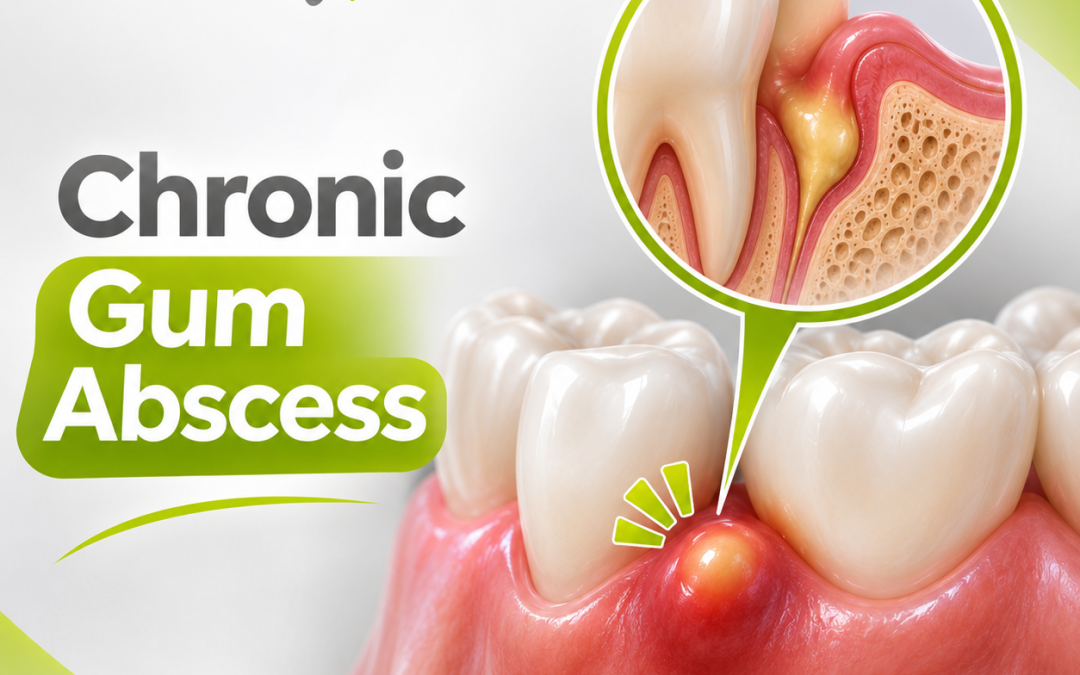
This common term describes a persistent or recurring collection of pus near the gums. However, dental professionals distinguish between gingival abscesses, periodontal abscesses, and abscesses originating from tooth root infections. A gingival abscess usually develops within the superficial gum tissues. In contrast, a periodontal abscess often involves periodontal pockets and the structures supporting the teeth. Meanwhile, some infections begin inside the dental pulp and spread toward the surrounding bone and gums. These infections may create a small drainage pathway that allows pus to escape into the mouth. Consequently, patients may notice a recurring gum bump without significant pain. Additionally, the bump may temporarily disappear before returning. Nevertheless, its appearance alone cannot identify the source of infection. Therefore, dentists examine the affected tooth and surrounding gums and perform appropriate diagnostic tests. They then select treatment according to the infection’s origin and its effects on nearby tissues.
Causes of Chronic Gum Abscesses and Factors That Increase Their Likelihood
The causes of dental abscesses vary according to the source of infection and the condition of supporting tissues. In some cases, deep periodontal pockets allow bacteria to accumulate and interfere with normal drainage. Additionally, a foreign object trapped beneath the gum may trigger localized inflammation. In other cases, an infection originating from damaged dental pulp may spread into the tissues surrounding the tooth root. Root cracks and certain dental restoration problems may also contribute to persistent infection. Furthermore, smoking and poorly controlled diabetes increase the risk of periodontal disease and influence treatment outcomes. However, these factors do not inevitably cause abscesses. Therefore, dentists must evaluate each patient individually. They also review previous root canal treatments and any history of periodontal disease. Ultimately, identifying the underlying cause allows clinicians to address the infection itself rather than simply relieving symptoms.
Symptoms of a Chronic Gum Abscess and Warning Signs That Require Examination
Symptoms vary according to the abscess location, the infection’s origin, and its ability to drain pus. Some patients experience pain while chewing or applying pressure to the affected tooth. Others notice a small, recurring swelling near the gums. Additionally, pus drainage may cause an unpleasant taste or odor. However, an abscess that drains continuously may cause little discomfort. Therefore, patients should recognize the following signs:
-
Recurring swelling: A small bump or localized swelling appears repeatedly near a tooth.
-
Pus discharge: Patients notice drainage or an unpleasant taste in the mouth.
-
Pain when chewing: Pressure on the affected tooth causes discomfort.
-
Bleeding gums: Bleeding may accompany inflammation or periodontal disease.
-
Tooth mobility: Advanced loss of periodontal support may cause teeth to loosen.
-
Tooth discoloration: Changes in tooth color may sometimes indicate a dental pulp problem.
-
Facial swelling or fever: These symptoms may indicate a spreading infection and require urgent evaluation.
Nevertheless, symptoms alone cannot determine the exact type of abscess.
The Difference Between a Gingival Abscess and a Tooth Root Abscess
A gingival abscess differs from a tooth root abscess in its origin and treatment approach. A gingival abscess develops within gum tissues and may result from a trapped foreign object. Meanwhile, a periodontal abscess affects deeper supporting tissues and periodontal pockets. In contrast, a periapical abscess usually develops when infection affects the dental pulp and spreads through the root. Consequently, swelling may appear on the gums even though the underlying problem originates inside the tooth. Additionally, teeth affected by periodontal disease may respond normally to pulp vitality tests. However, teeth with pulpal infections may lose their normal responses to these tests. Some complex cases involve both conditions simultaneously. Therefore, dentists combine clinical examination findings, diagnostic tests, and radiographic images before establishing a diagnosis. They then choose treatment according to the infection’s origin rather than the visible swelling alone.
Why Does a Gum Abscess Disappear and Keep Coming Back?
Patients sometimes notice that swelling disappears after pus drains through the gums. However, this temporary improvement does not necessarily mean the infection has resolved. When a drainage pathway develops, pressure inside the affected tissues decreases. Consequently, pain and swelling may improve considerably. Nevertheless, bacteria may remain inside the root canal system or periodontal pocket. Therefore, pus can accumulate again if the underlying source of infection persists. Additionally, certain medications may temporarily relieve symptoms without eliminating the cause. The amount of drainage may also change depending on whether the pathway remains open. For these reasons, patients should not interpret the disappearance of swelling or pain as proof of successful treatment. Instead, dentists must identify and eliminate the infection source. Clinical and radiographic follow-up also helps assess tissue healing and confirm treatment progress.
How Do Dentists Diagnose Chronic Dental Abscesses Accurately?
Diagnosis begins with reviewing symptoms, their duration, and previous dental treatment history. Next, the dentist examines the gums and teeth surrounding the affected area. The clinician also measures periodontal pocket depths and checks for abnormal tooth mobility. Additionally, pulp sensibility tests help evaluate tooth responses to thermal or electrical stimulation. Dentists may request periapical radiographs to examine the roots and surrounding bone. In certain cases, they trace a draining sinus tract using a suitable radiopaque material. This procedure helps identify the tooth associated with the drainage pathway. Furthermore, cone-beam computed tomography may provide additional information when a specific diagnostic need exists. However, not every patient requires three-dimensional imaging. Therefore, dentists select investigations that can meaningfully influence treatment decisions. Ultimately, accurate diagnosis distinguishes pulpal infections, periodontal disease, and combined endodontic-periodontal conditions.
How to Treat Chronic Dental Abscesses Without Tooth Extraction
Treatment aims to eliminate the infection source while preserving the natural tooth whenever possible. Therefore, dentists select appropriate procedures according to the diagnosis. If the infection originates inside the dental pulp, root canal treatment may remove infected tissues and clean the canal system. However, when a periodontal pocket causes the abscess, the dentist may clean the pocket and remove bacterial deposits and contributing factors. Additionally, a collection of pus may require local drainage to relieve pressure. Some patients may need further periodontal treatment after controlling the initial inflammation. Nevertheless, dentists cannot preserve every affected tooth. An untreatable root fracture or severe loss of periodontal support may make extraction necessary. Therefore, clinicians evaluate the tooth’s restorability and the health of surrounding tissues. They also explain available alternatives and their expected success rates. Finally, follow-up appointments help assess treatment response and determine whether additional procedures are necessary.
Can Antibiotics Alone Treat a Gum Abscess?
Antibiotics alone cannot eliminate the underlying source of most dental abscesses. Bacteria may remain inside root canals or periodontal pockets even when symptoms temporarily improve. Therefore, primary treatment focuses on draining pus when necessary and eliminating the infection source. Depending on the diagnosis, treatment may involve root canal therapy, periodontal cleaning, or extraction of a tooth that cannot be preserved. However, dentists may prescribe antibiotics when patients develop signs of spreading infection or systemic symptoms. These signs include fever, general illness, and diffuse swelling. Certain medical conditions may also influence prescribing decisions. Nevertheless, patients should never take leftover antibiotics from previous treatments. Inappropriate antibiotic use can cause adverse effects and contribute to bacterial resistance. Therefore, dentists determine whether antibiotics are necessary and select the appropriate medication and duration. They also monitor treatment response and reassess patients when needed.
Can a Chronic Dental Abscess Cause Jawbone Damage?
Persistent dental infections may affect the surrounding jawbone depending on their origin and severity. In root-related abscesses, inflammation may cause localized bone loss around the root apex. Meanwhile, advanced periodontal disease can damage the bone supporting the teeth. However, a dark area on a dental X-ray does not necessarily indicate permanent, irreversible damage. Bone may recover some of its structure after successful treatment eliminates the infection. Additionally, healing rates vary according to lesion size and the patient’s overall health. Dentists may need several months of radiographic follow-up to evaluate improvement. Some radiographic changes may persist even after symptoms resolve. Therefore, clinicians should not rely solely on pain relief when assessing treatment success. Instead, they combine clinical examination with appropriate follow-up investigations. Ultimately, early intervention helps reduce the risk of continued damage to the supporting tissues.
The Connection Between Chronic Dental Abscesses, Diabetes, and Smoking
Certain medical conditions and lifestyle habits influence how oral tissues respond to infection and treatment. For example, poorly controlled diabetes increases the risk of periodontal disease and impairs some immune functions. Elevated blood glucose levels may also delay tissue healing after dental procedures. Additionally, smoking affects microcirculation and inflammatory responses within the gums. It may even conceal visible signs of inflammation, such as bleeding, despite ongoing periodontal disease. Furthermore, smoking is associated with less favorable outcomes following certain periodontal treatments. However, diabetes or smoking does not automatically mean an abscess will persist. Therefore, patients need appropriate treatment of the infection source alongside improvements in modifiable risk factors. Better blood glucose control and smoking cessation can support periodontal health. Dentists should also coordinate with the patient’s physician when underlying medical conditions influence treatment planning.
When Does a Dental Abscess Become a Medical Emergency?
Some dental abscesses remain localized for a period, but infections can occasionally spread into surrounding tissues. Therefore, patients should never ignore increasing swelling or systemic symptoms. For example, facial swelling accompanied by fever may indicate a spreading infection. Additionally, difficulty opening the mouth requires urgent assessment, especially when symptoms worsen rapidly. Difficulty swallowing or breathing represents a serious warning sign that requires immediate emergency care. Swelling involving the floor of the mouth or neck also demands urgent medical attention. Some patients may require hospital treatment, surgical drainage, and appropriate antibiotics. However, patients cannot reliably determine the depth of an infection based solely on external swelling. Therefore, they should seek prompt medical evaluation whenever signs of spreading infection appear. Ultimately, timely intervention helps reduce serious complications and protect surrounding tissues.
How to Prevent Chronic Gum Abscesses and Recurrent Gum Infections
Preventing recurrent abscesses depends on addressing the underlying cause and improving daily oral hygiene. Therefore, patients should follow preventive measures that help protect their teeth and gums, including:
-
Treating the source of infection: Complete the treatment recommended by the dentist, whether the infection affects the roots or periodontal pockets, to prevent persistent inflammation and recurring abscesses.
-
Regular dental checkups: Visit the dentist routinely to detect tooth decay and gum disease before they progress.
-
Daily toothbrushing: Brush twice daily using fluoride toothpaste to maintain oral health.
-
Cleaning between teeth: Use dental floss or appropriate interdental cleaning tools to reduce bacterial plaque accumulation.
-
Reducing sugar consumption: Limit frequent consumption of sugary foods and drinks to lower the risk of tooth decay and pulpal infections.
-
Professional periodontal cleaning: Attend specialized cleaning and maintenance appointments according to individual risk levels and treatment needs.
-
Following a personalized prevention plan: Adhere to the follow-up schedule established by the dentist based on overall health and treatment response.
-
Recognizing signs of infection: Consult a dentist when a recurring gum bump appears or pus drains from the gums.
Chronic Gum Abscess Diagnosis at Expert Dental Center in Qatar
Patients seeking treatment for a chronic gum abscess need an accurate assessment to identify the infection source before selecting treatment. In Qatar, patients can visit Expert Dental Center to discuss dental and gum symptoms and obtain professional advice. The evaluation begins with a review of medical history and an examination of the teeth and surrounding tissues. Next, the dentist determines which diagnostic investigations are appropriate based on clinical findings. Treatment options may include root canal therapy, periodontal care, or surgical intervention when necessary. Additionally, early diagnosis helps reduce the risk of persistent infection and tissue damage. Clear communication also allows patients to understand the benefits, risks, and follow-up requirements of treatment. Therefore, patients should avoid relying on painkillers or antibiotics without an appropriate diagnosis. Ultimately, individualized care aims to address the underlying cause and preserve oral health whenever possible.
Expert Dental Center in Qatar and Comprehensive Oral Healthcare
Expert Dental Center in Qatar combines international dental expertise with advanced technologies to provide comprehensive oral and dental care. The center brings together a team of specialized dental professionals with academic qualifications from Germany, the United States, Australia, and Qatar. Furthermore, the team offers extensive experience in many dental services like dental implants, orthodontics, cosmetic dentistry, oral surgery, and pediatric dentistry.
In addition, the center utilizes advanced dental technologies, including 3D intraoral scanning, digital smile design, 3D dental imaging, dental microscopy, and clear aligner orthodontics. Moreover, its multidisciplinary approach allows patients to receive comprehensive dental assessments and personalized treatment plans tailored to their individual needs.
The dental team also prioritizes clear communication, helping patients understand their treatment options and make informed decisions. Additionally, patients can communicate with dental professionals in multiple languages, including Arabic, English, German, Spanish, and Swedish.
Ultimately, Expert Dental Center combines academic excellence, clinical expertise, and modern dental technology to deliver comprehensive dental care that focuses on oral health, functionality, and the natural aesthetics of every smile.
If you would like to book an appointment additional consultations or wish to explore advanced treatment options, you can learn more about Expert Dental Center in Qatar by visiting the center’s location in Doha, following its YouTube channel, checking its TikTok and Instagram accounts, or visiting the official website online.
Conclusion
The disappearance of swelling or pain does not necessarily mean a dental infection has resolved. The underlying infection may persist inside the tooth or its supporting tissues despite temporary symptom relief. Therefore, patients need an accurate diagnosis that identifies the nature and location of the problem. Distinguishing a gingival abscess from a root-related infection also helps dentists select appropriate treatment. Additionally, delaying treatment may lead to continued bone loss or recurrent inflammation. Consequently, patients should not rely on antibiotics or painkillers as substitutes for eliminating the underlying cause. Consistent oral hygiene and regular dental examinations also help reduce the risk of recurrence. Furthermore, managing diabetes and quitting smoking support healthier tissues and better treatment responses. Patients should consult a dentist whenever recurring swelling or pus discharge appears. However, difficulty breathing or swallowing requires immediate emergency care. Ultimately, appropriate intervention protects the teeth and surrounding tissues while supporting long-term oral health.