

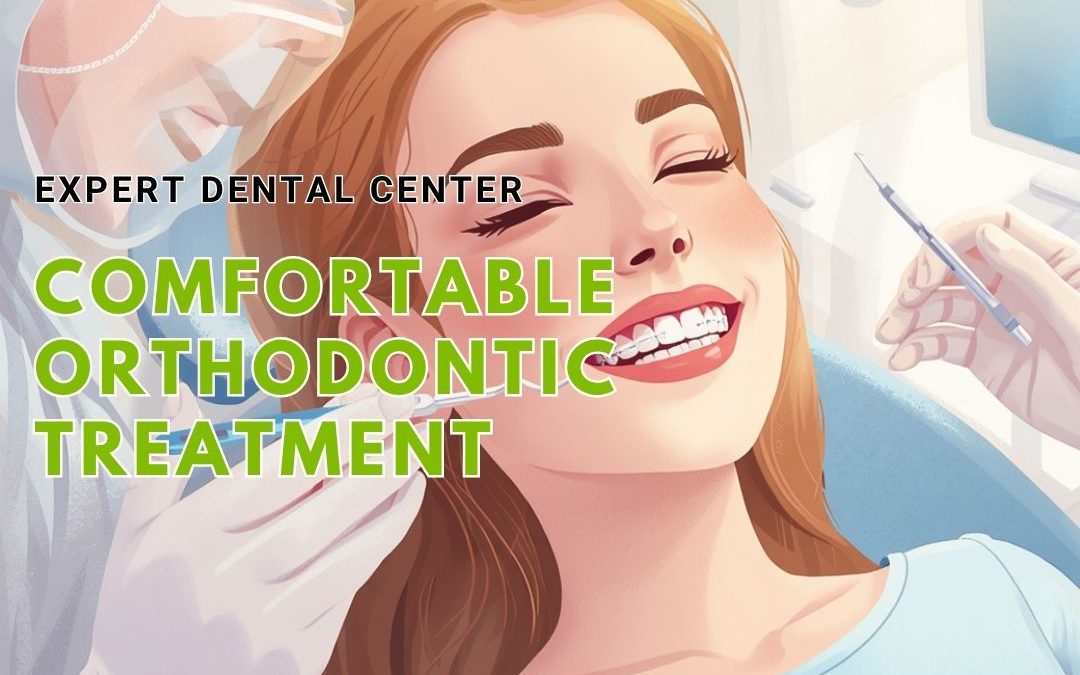
Many people search for comfortable orthodontic treatment because they worry that braces will cause significant pain throughout the treatment period. In reality, modern orthodontic treatment does not guarantee the complete absence of discomfort. However, current techniques, advanced materials, and carefully controlled orthodontic forces help reduce temporary pressure that may occur after appliance placement or adjustment. Orthodontists develop individualized treatment plans based on each patient’s clinical condition, allowing teeth to move gradually and predictably. In addition, clear communication between the orthodontist and the patient helps manage expectations and address temporary discomfort, making the overall treatment experience more comfortable and reassuring.
Comfortable Orthodontic Treatment: How Do Modern Technologies Help?
Orthodontics has advanced considerably during recent years, providing patients with more comfortable treatment options than ever before. Modern orthodontic wires and materials generate lighter, carefully controlled forces that move teeth efficiently while minimizing unnecessary pressure. Furthermore, clear aligners offer a removable alternative for selected patients, making eating and oral hygiene easier throughout treatment. Nevertheless, the level of comfort varies from one individual to another because biological responses differ between patients. Consequently, orthodontists carefully evaluate each case before recommending the treatment option that offers the best balance between effectiveness, comfort, and long-term stability.
Comfortable Orthodontic Treatment: What Should Patients Expect After Placement?
Many patients experience mild pressure or temporary discomfort during the first few days after braces are placed or adjusted. This sensation represents a normal biological response as teeth begin moving under controlled orthodontic forces. Fortunately, the discomfort usually decreases as the teeth and surrounding tissues adapt. Orthodontists commonly recommend soft foods during the initial adjustment period and provide individualized instructions that help patients remain comfortable. When necessary, they may also recommend appropriate pain-management strategies based on the patient’s overall health. Understanding that temporary discomfort differs from abnormal pain helps patients feel more confident throughout treatment.
How Do Orthodontists Select the Most Appropriate Appliance?
Choosing the right orthodontic appliance requires comprehensive evaluation rather than a one-size-fits-all approach. Orthodontists perform detailed clinical examinations and use digital imaging, photographs, and three-dimensional scans when clinically indicated to analyze tooth alignment, jaw relationships, and bite function. They also discuss each patient’s treatment goals, lifestyle, and expectations before recommending a specific orthodontic solution. This personalized planning process ensures that every patient receives the appliance most suitable for achieving both functional improvement and aesthetic enhancement while maintaining long-term oral health.
How Can Patients Make Orthodontic Treatment More Comfortable?
Patients play an important role in improving their treatment experience by following professional instructions carefully. Maintaining excellent oral hygiene reduces plaque accumulation and helps keep the gums healthy throughout orthodontic treatment. Choosing softer foods after appliance placement or adjustment also minimizes unnecessary pressure during chewing. Attending scheduled appointments allows orthodontists to monitor progress and make timely adjustments that support efficient tooth movement. Consistent cooperation between the patient and orthodontist contributes significantly to both treatment comfort and successful clinical outcomes.
Helpful Tips to Reduce Orthodontic Discomfort
Orthodontists commonly recommend the following practical measures:
- Maintain excellent oral hygiene throughout treatment.
- Choose soft foods during the first days after adjustments.
- Avoid hard, sticky, or chewy foods that may damage orthodontic appliances.
- Use orthodontic wax if brackets irritate the lips or cheeks.
- Attend all scheduled follow-up appointments.
- Contact your orthodontist if appliance damage occurs or discomfort becomes unusual.
- Follow all home-care instructions provided by your orthodontic team.
These simple habits help patients adapt more comfortably while supporting efficient orthodontic treatment.
Advanced Orthodontic Care at Expert Dental Center in Qatar
Expert Dental Center in Qatar provides advanced orthodontic treatment designed to maximize comfort while achieving predictable functional and aesthetic outcomes. Every patient begins treatment with a comprehensive assessment that includes clinical examination, digital imaging, intraoral scanning, and three-dimensional imaging whenever clinically indicated. These technologies allow orthodontists to analyze tooth movement accurately and develop individualized treatment plans. The center offers modern orthodontic solutions, including clear aligners and other contemporary treatment systems selected according to each patient’s specific clinical needs. Many members of the dental team have completed education or advanced clinical training at internationally recognized universities and continue expanding their expertise through continuing education and evidence-based orthodontics. Their extensive experience in orthodontic diagnosis and treatment planning enables them to provide personalized care while minimizing unnecessary discomfort whenever possible. The team also emphasizes open communication by explaining every stage of treatment, discussing realistic expectations, and answering patient questions before, during, and after care. This collaborative approach encourages patient confidence, treatment compliance, and long-term orthodontic success.
If you would like more guidance or advanced care, you can explore the Expert Dental Center in Qatar in person by visiting their location in Doha or check out their latest updates on YouTube and TikTok. For full details and appointment booking, you can visit the official website.
Conclusion
Modern orthodontic treatment aims to improve comfort without compromising treatment effectiveness. Although many patients experience temporary pressure after appliance placement or adjustment, advanced technologies and carefully controlled orthodontic techniques help minimize this sensation. Individualized treatment planning, excellent oral hygiene, regular follow-up visits, and patient cooperation all contribute to successful outcomes. Because every orthodontic case differs, orthodontists always recommend treatment based on careful clinical evaluation rather than patient preference alone. By combining professional expertise, advanced technology, and consistent home care, patients can achieve healthier, better-aligned smiles through a more comfortable orthodontic experience.