

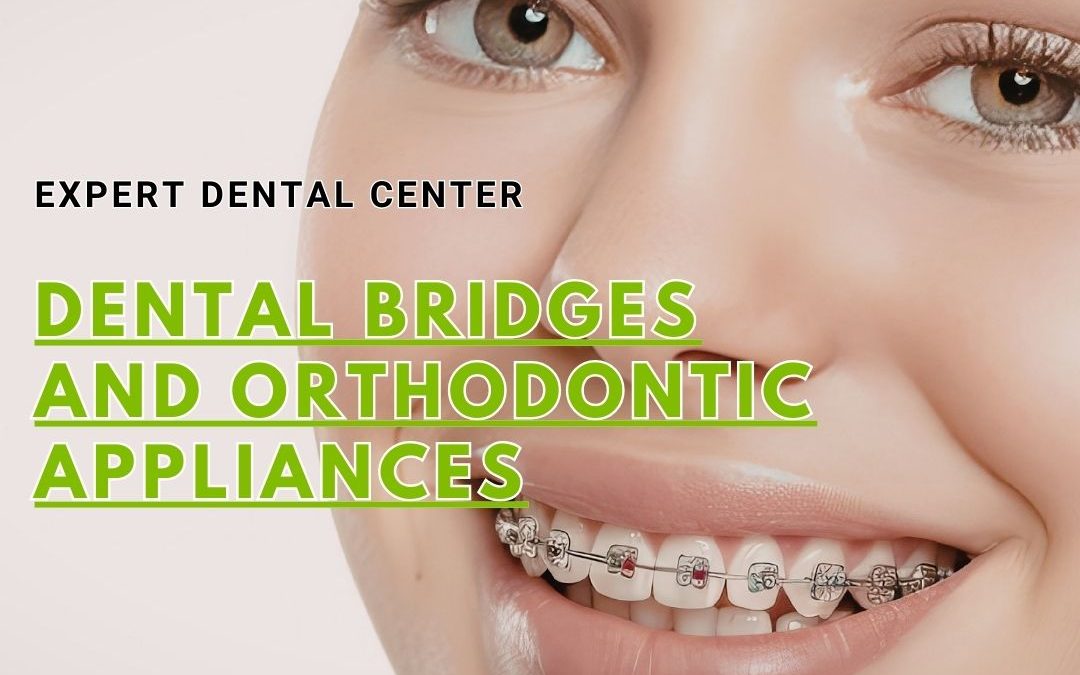
Many patients seek to understand the difference between dental bridges and orthodontic appliances because each option treats different oral problems and directly affects both appearance and function. Therefore, the dentist carefully explains the nature of each treatment before making the appropriate decision. First, the dentist defines the goal of the treatment plan, then evaluates the condition of the teeth and gums accurately. In addition, the dentist considers the patient’s age, lifestyle, and aesthetic expectations. On the other hand, early diagnosis helps select the most suitable solution at the right time. Moreover, the dentist focuses on balancing aesthetic appearance with functional stability. As a result, the patient receives a clear plan based on precise scientific evaluation.
The Difference Between Dental Bridges and Orthodontic Appliances
Each procedure addresses a specific problem that differs from the other. Therefore, the dentist uses a bridge to replace a missing tooth and restore chewing function. In contrast, the dentist uses orthodontic appliances to correct tooth alignment and improve the bite. In addition, the dentist anchors the bridge to adjacent teeth to fill the gap permanently. Meanwhile, orthodontic treatment gradually moves teeth until they reach the desired position. On the other hand, the dentist prepares supporting teeth carefully before placing a bridge. Orthodontics, however, relies on controlled and calculated pressure to move teeth. Furthermore, the dentist determines the treatment duration according to the nature of the case. As a result of these differences, the patient understands the role of each option and chooses the most suitable solution.
When the Dentist Recommends a Bridge or Orthodontics
The dentist evaluates the clinical condition carefully before making a recommendation. Therefore, the dentist suggests a bridge when a patient loses one or more teeth and seeks a fixed and quick solution. In addition, the dentist may recommend orthodontics when crowding, spacing, or bite problems appear. The dentist also examines gum health and supporting bone before starting any procedure. Meanwhile, the dentist discusses the patient’s functional and aesthetic goals. The key factors influencing the decision include:
-
The number of missing or misaligned teeth.
-
The condition of the gums and supporting bone.
-
The patient’s age and lifestyle.
-
The available time frame for treatment.
-
The patient’s aesthetic expectations.
As a result, the dentist designs an integrated treatment plan tailored to each individual’s needs.
Dental Bridges and Orthodontic Appliances at Expert Dental Center in Qatar
When discussing dental bridges and orthodontic appliances in an advanced medical environment, Expert Dental Center in Qatar stands out as a choice that combines expertise with modern technologies. Therefore, dentists at the center rely on advanced 3D digital imaging devices that ensure accurate diagnosis and precise treatment planning. In addition, the team uses high-quality materials in bridge fabrication to guarantee durability and a natural appearance. The dentists also apply modern orthodontic systems, including clear aligners and advanced metal braces, to achieve accurate results. Moreover, the center includes dentists who graduated from leading international universities, which reflects a high scientific standard in both prosthodontics and orthodontics. Specialized dental professionals also bring extensive experience and refined skills when managing simple and complex cases, so they focus on fine details that ensure patient comfort and long-lasting results. Furthermore, the center provides easy communication through direct consultations and digital follow-ups, allowing patients to receive continuous support and clear answers at every stage. As a result of this integrated system, patients enjoy a comprehensive treatment experience that combines scientific precision with compassionate care in a safe and comfortable environment.
If you would like additional consultations or wish to explore advanced treatment options, you can learn more about Expert Dental Center in Qatar by visiting the center’s location in Doha, following its YouTube channel, checking its TikTok account, or visiting the official website online.
Long-Term Benefits of Dental Bridges and Orthodontic Appliances
-
Prevent adjacent teeth from shifting into empty spaces after tooth loss.
-
Restore chewing function and improve eating efficiency.
-
Maintain smile harmony and aesthetic appearance.
-
Improve pressure distribution on teeth and reduce uneven wear.
-
Facilitate easier cleaning when teeth align properly.
-
Enhance patient confidence by improving both form and function.
-
Support long-term results through regular follow-up and adherence to instructions.
As a result, patients achieve sustainable functional and aesthetic improvements that strengthen overall oral health.
Conclusion
In conclusion, choosing the appropriate treatment depends on accurate diagnosis and a clear understanding of the patient’s needs. Therefore, every individual should consult a qualified dentist before making a final decision. In addition, commitment to professional instructions and regular follow-up visits ensures treatment success and continuity. Modern technologies also enhance result accuracy and improve patient comfort throughout the journey. Meanwhile, cooperation between dentist and patient provides the best opportunity to achieve a healthy and harmonious smile. As a result, patients can benefit from modern solutions, whether they select a bridge to replace missing teeth or orthodontics to correct alignment, especially when they rely on a medical center that combines expertise with advanced technologie