

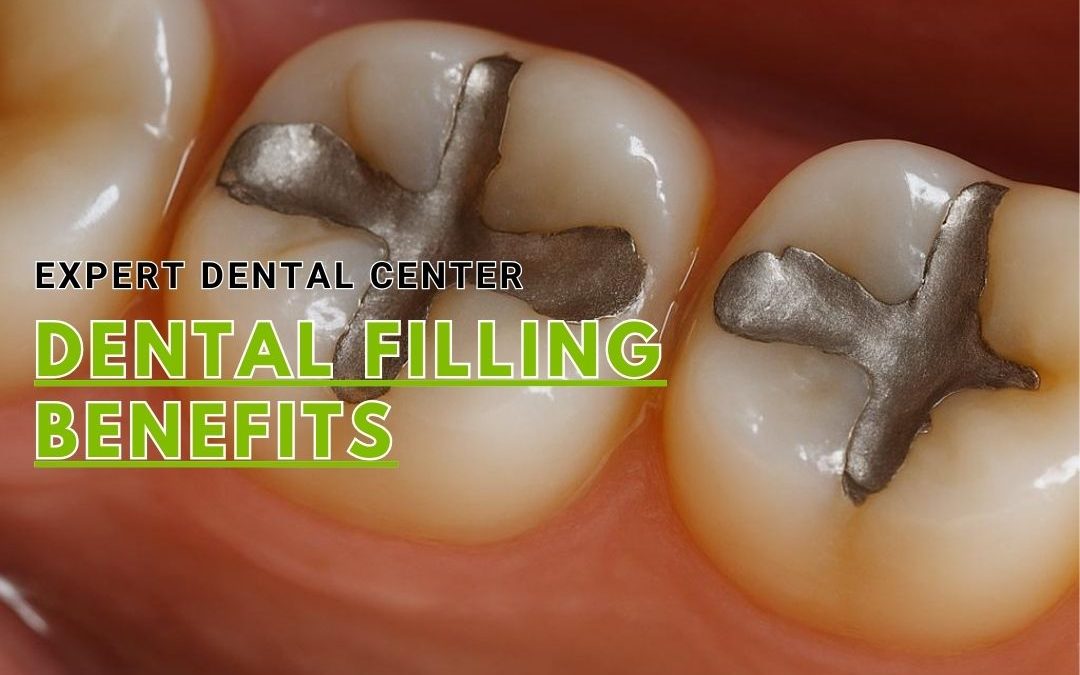
Dental fillings play a crucial role in maintaining oral and dental health, especially when cavities are detected in their early stages. Many people look for effective solutions to treat dental problems without resorting to more complex procedures, which makes fillings an ideal choice. This simple technique helps restore the tooth’s shape and function quickly, giving the patient immediate comfort and greater confidence while speaking or eating.
What Are Dental Fillings?
Before discussing the benefits, it is important to explain what dental fillings are. They are medical materials used to fill the space left after removing tooth decay. These materials vary in type, such as cosmetic white fillings or traditional metal fillings, and each type is used according to the patient’s needs and the condition of the tooth. The main goal is to protect the tooth from further damage and restore its natural shape.
Key Benefits of Dental Fillings
Dental fillings provide a wide range of benefits that cannot be overlooked. The most important include:
-
Stopping the spread of decay and preventing complications
-
Restoring the tooth’s function and ability to chew
-
Enhancing the aesthetic appearance of the smile, especially when cosmetic fillings are used
-
Reducing the need for more complex treatments, such as root canal therapy or dental crowns
-
Boosting self-confidence by eliminating pain and sensitivity
Since the filling procedure is relatively simple and fast, it has become one of the most common treatments in dental clinics, offering effective results in a short time.
When Does a Person Need a Filling?
The need for dental fillings is not always obvious, but there are certain signs that indicate a visit to the dentist is necessary. These include pain when eating sweets or drinking cold beverages, visible cavities in the teeth, or sensitivity in certain molars. Once a dentist examines the patient, they can quickly determine the level of damage and the proper location for the filling.
Types of Dental Fillings Available Today
The techniques for dental fillings have advanced significantly in recent years, providing several available options, the most common being:
-
Cosmetic (composite) fillings: Known for their natural tooth-like color
-
Metal fillings: Usually placed in back molars due to their durability
-
Glass ionomer fillings: Often used for children or as temporary fillings
-
Gold or ceramic fillings: Considered luxurious and long-lasting options
The right choice depends on several factors, including the location of the affected tooth, gum condition, and the patient’s preferences.
Dental Fillings at Expert Dental Center in Qatar
At the Expert Dental Center in Qatar, patients can benefit from innovative and advanced technologies in treating cavities using dental fillings. The dentists at the center rely on precise diagnostic devices to detect decay with high accuracy. They then remove the affected part using specialized tools without harming the healthy tooth structure. After that, the dentist selects the most suitable type of filling for each case, whether cosmetic or functional.
The dentists at the center have extensive experience and high-level skills in performing restorative procedures with exceptional precision, which ensures long-lasting results. The medical team also uses advanced technologies, such as laser treatments, to minimize discomfort and speed up recovery. Thanks to this high standard of care, patients feel confident and comfortable from the very first visit.
If you need more guidance or advanced care, you can learn more about Expert Dental Center in Qatar by visiting their location in Doha, or by checking the clinic’s channel on YouTube, their account on TikTok, or their official website.
Conclusion
Dental fillings are among the most important treatments that protect teeth from deterioration while improving both their functional and aesthetic aspects. Therefore, it is essential to visit the dentist at the first sign of decay or dental pain and never delay treatment. The earlier the intervention, the greater the chances of preserving natural teeth and avoiding more complex procedures.