

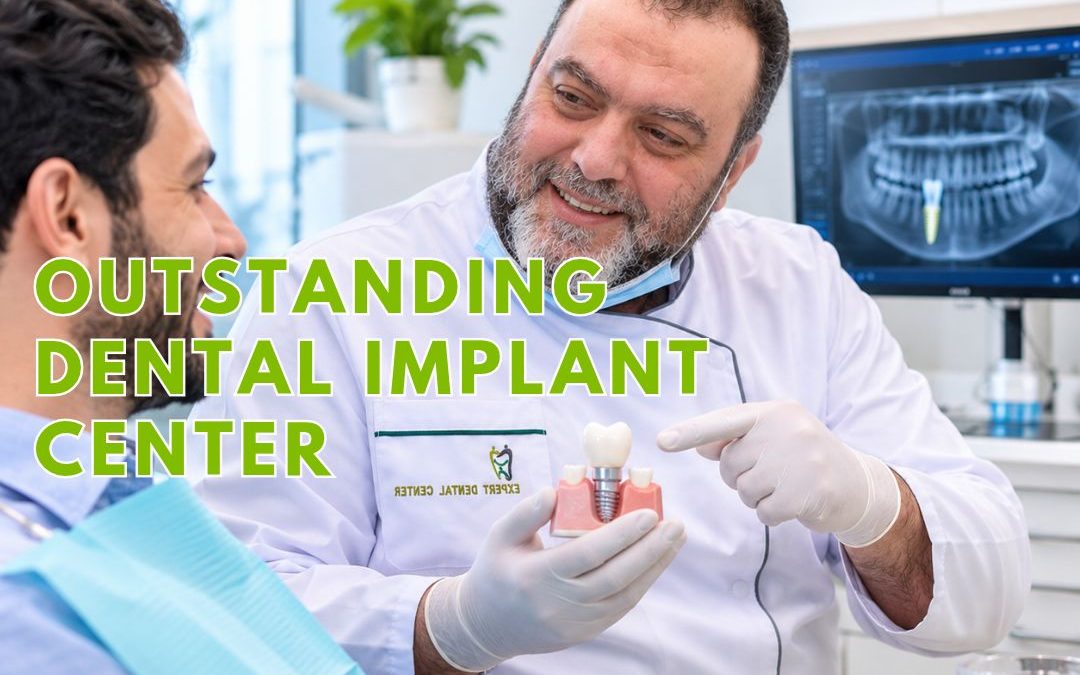
The Importance of Choosing an Outstanding Dental Implant Center
Successful dental implant treatment begins with choosing a clinic that combines clinical expertise, accurate diagnosis, and comprehensive patient care. Therefore, patients need an outstanding dental implant center that prioritizes their safety and individual needs. First, a reputable center employs qualified dental professionals with appropriate training and experience in different clinical cases. It also conducts thorough examinations before developing treatment plans. Furthermore, the center uses advanced technologies whenever they provide clear clinical benefits. In addition, it follows strict infection prevention and sterilization protocols. Dental professionals also explain treatment stages, available alternatives, and potential complications. Moreover, an excellent center prioritizes patient comfort and effective communication. Quality care extends beyond successful implant surgery. It also includes final restoration design and long-term follow-up. Ultimately, a distinguished dental implant center combines professional competence, transparency, and continuous attention to oral health.
Professional Qualifications That Distinguish Dentists at an Outstanding Dental Implant Center
Dental professionals’ qualifications represent one of the most important factors determining the quality of a dental implant center. First, dentists should hold valid professional licenses and receive appropriate training for the procedures they perform. They also need advanced knowledge of jaw anatomy and bone and tissue assessment. Furthermore, specialized education and clinical training strengthen surgical and treatment planning skills. Practical experience also helps dentists manage complex cases more effectively. However, years of practice alone cannot establish professional competence. Therefore, patients should consider academic qualifications, continuing education, and experience with similar cases. In addition, a distinguished center encourages its dental team to develop new skills and follow scientific advances. Moreover, it promotes collaboration among implant surgeons, prosthodontists, and periodontists. Ultimately, combining academic qualifications with clinical expertise strengthens patient confidence and supports informed treatment decisions.
Advanced Equipment and Technologies Available at an Outstanding Dental Implant Center
Modern dental equipment demonstrates a clinic’s commitment to improving diagnosis, treatment planning, and procedural accuracy. However, technology alone does not determine the quality of dental care. Therefore, an outstanding dental implant center should provide technologies that match its patients’ clinical needs. Key technologies include:
- Cone-Beam Computed Tomography (CBCT): Helps dentists evaluate bone dimensions, nerve locations, and maxillary sinus anatomy.
- Digital Intraoral Scanners: Create digital models of teeth and gums and support restorative treatment planning.
- Digital Surgical Planning Software: Helps clinicians assess implant positions and angulations before surgery.
- Digital Surgical Guides: Support the accurate transfer of treatment plans to implant sites in suitable cases.
- CAD/CAM Technology: Helps dental professionals design crowns, bridges, and implant-supported restorations.
- Digital Patient Documentation Systems: Facilitate treatment monitoring and comparison of clinical outcomes.
Furthermore, the dental team should receive appropriate training to operate these technologies effectively. Ultimately, experienced clinicians select equipment according to its clinical value rather than its novelty.
Accurate Diagnosis and Personalized Treatment Planning
A reputable dental implant center develops individualized treatment plans that reflect each patient’s oral and general health. First, the dental team examines the teeth and gums and evaluates available bone volume. Next, clinicians review medical history, medications, and factors that may influence healing. Furthermore, the dentist assesses bite relationships and available space for future restorations. The team also determines whether advanced imaging would provide useful diagnostic information. In addition, the center discusses immediate and delayed implant placement whenever clinical conditions allow. Dentists also evaluate the potential need for bone grafting or periodontal treatment before surgery. An excellent clinic never applies the same treatment plan to every patient. Instead, it establishes individualized functional and aesthetic objectives. Moreover, clinicians explain expected outcomes and treatment limitations. Ultimately, personalized planning helps avoid unnecessary procedures and supports patient safety.
Sterilization and Infection Prevention Standards at a Dental Implant Center
Infection prevention represents one of the most important quality standards for any dental implant center. First, the clinic should maintain clear protocols for instrument cleaning, sterilization, and sterilization quality monitoring. It should also use sterile instruments and follow appropriate procedures for handling sharp objects. Furthermore, dental professionals must practice proper hand hygiene and use personal protective equipment. In addition, staff should clean and disinfect treatment areas between patients according to established protocols. The center also needs appropriate systems for medical waste disposal. Moreover, employees should receive regular training in infection prevention and occupational safety. A clean appearance alone cannot demonstrate effective sterilization practices. Instead, the clinic must monitor, document, and verify its procedures. Therefore, patients can ask about the center’s sterilization and infection prevention policies. Ultimately, these measures demonstrate a commitment to patient and staff safety.
Multidisciplinary Dental Expertise and Integrated Patient Care
A comprehensive dental implant center coordinates care across different dental specialties. First, the implant surgeon evaluates the proposed implant site and surrounding bone structures. Meanwhile, the restorative dentist plans the future crown or bridge. Furthermore, a periodontist may help manage gum inflammation and improve the health of surrounding tissues. Some patients may also require root canal treatment or bite adjustments before implant placement. In addition, collaboration among dental professionals helps establish the correct sequence and timing of procedures. Effective coordination also reduces the risk of conflicting treatment plans. Not every dentist needs to perform every stage of treatment. Instead, appropriately trained professionals should manage procedures within their expertise. Moreover, clear referral and communication systems support continuity of care. Ultimately, coordinated multidisciplinary treatment helps achieve appropriate functional and aesthetic outcomes.
Quality of Dental Implants, Materials, and Restorations
A distinguished dental implant center prioritizes the quality and clinical suitability of its implant systems and restorative materials. First, dentists should select reliable implant systems supported by appropriate scientific evidence and compatible restorative components. They must also consider implant dimensions and design according to available bone. Furthermore, clinicians select crown and bridge materials based on function, aesthetics, and cleaning requirements. However, higher prices do not necessarily mean that a particular material suits every patient. Therefore, dentists should explain their reasons for choosing specific implant systems and materials. In addition, the center should document implant brands, dimensions, and components. Accurate records can simplify future maintenance and restorative procedures. Moreover, clinicians must evaluate the final restoration and verify appropriate bite relationships. Ultimately, treatment quality depends on planning, clinical execution, and follow-up rather than the manufacturer’s reputation alone.
Transparent Pricing and Clear Treatment Plans
Financial transparency represents an important quality that helps patients make informed treatment decisions. First, a reputable center should clearly explain treatment stages and expected costs. It should also specify whether quoted prices include examinations, implant surgery, and final restorations. Furthermore, patients need information about potential additional procedures and their costs. These procedures may include bone grafting or periodontal treatment. In addition, dentists should explain alternative treatment options, their advantages, and their limitations. Patients should also understand the expected healing period and treatment timeline. However, the lowest price should never serve as the only selection criterion. Instead, patients should consider professional qualifications, material quality, and postoperative care. Moreover, documenting treatment plans and estimated costs helps prevent misunderstandings. Ultimately, transparent communication demonstrates respect for patients’ right to make informed healthcare decisions.
Easy Communication with Dentists and Clear Consultations
Effective communication represents one of the most valuable qualities patients seek when choosing a dental implant center. First, dentists should provide enough consultation time to understand patients’ concerns and expectations. They should also explain diagnostic examinations and the reasons behind treatment recommendations. Furthermore, clear and accessible language helps patients understand procedures and potential risks. In addition, the center should offer convenient appointment booking and inquiry channels. Written postoperative care instructions can also help patients manage their recovery. Moreover, patients need clear guidance on contacting the clinic if unexpected symptoms develop. Effective communication should continue beyond the initial consultation. It must remain consistent throughout treatment and follow-up. Therefore, a distinguished center answers questions clearly while respecting patient privacy. Ultimately, professional communication builds trust and encourages patients to follow treatment instructions.
Experience in Complex Dental Implant Cases and Complication Management
The clinical capabilities of a dental implant center become particularly important when patients require complex treatment planning. Some patients have insufficient bone volume or a history of periodontal disease. Others need multiple implants or full-mouth rehabilitation. Therefore, the dental team should possess appropriate experience in evaluating these situations. Furthermore, the center should identify cases requiring bone grafting or sinus augmentation. Dentists must also recognize their professional limitations and request specialist consultations when necessary. In addition, the clinic needs clear procedures for managing bleeding, infections, and other potential complications. Patients with additional medical risk factors may require closer monitoring. However, extensive clinical experience cannot guarantee successful outcomes in every case. Instead, expertise involves sound clinical judgment and professional complication management. Ultimately, effective risk management supports treatment quality and patient safety.
Dental Implant Services and Long-Term Patient Follow-Up
A dental implant center’s responsibilities do not end after implant placement or final crown installation. Instead, comprehensive care continues through preventive maintenance and regular assessment of surrounding tissues. Therefore, an outstanding dental implant center should provide a structured follow-up program. First, dentists monitor tissue healing and implant stability during the initial recovery stages. Next, they examine the final restoration and assess bite relationships. Furthermore, clinicians evaluate oral hygiene and recommend cleaning techniques appropriate for each restoration. They also monitor signs of inflammation and potential mechanical complications. In addition, patients who smoke or have periodontal disease may need more frequent appointments. The clinic should also maintain accurate records of implant systems and components. Moreover, ongoing communication helps identify potential problems early. Ultimately, long-term follow-up demonstrates the center’s commitment to maintaining treatment outcomes.
Expert Dental Center in Qatar: International Expertise and Advanced Dental Technologies
Expert Dental Center in Qatar combines international dental expertise with advanced technologies to provide comprehensive oral and dental care. The center brings together a team of specialized dental professionals with academic qualifications from Germany, the United States, Australia, and Qatar. Furthermore, the team offers extensive experience in many dental services like dental implants, orthodontics, cosmetic dentistry, oral surgery, and pediatric dentistry.
In addition, the center utilizes advanced dental technologies, including 3D intraoral scanning, digital smile design, 3D dental imaging, dental microscopy, and clear aligner orthodontics. Moreover, its multidisciplinary approach allows patients to receive comprehensive dental assessments and personalized treatment plans tailored to their individual needs.
The dental team also prioritizes clear communication, helping patients understand their treatment options and make informed decisions. Additionally, patients can communicate with dental professionals in multiple languages, including Arabic, English, German, Spanish, and Swedish.
Ultimately, Expert Dental Center combines academic excellence, clinical expertise, and modern dental technology to deliver comprehensive dental care that focuses on oral health, functionality, and the natural aesthetics of every smile.
If you would like to book an appointment additional consultations or wish to explore advanced treatment options, you can learn more about Expert Dental Center in Qatar by visiting the center’s location in Doha, following its YouTube channel, checking its TikTok account, or visiting the official website online.
Conclusion
Choosing an outstanding dental implant center requires evaluating several interconnected professional and clinical standards. These include dentists’ qualifications, clinical experience, diagnostic accuracy, and personalized treatment planning. Furthermore, digital technologies and appropriate equipment can support treatment quality and procedural precision. Strict sterilization protocols and multidisciplinary collaboration also demonstrate a commitment to patient safety. In addition, transparent pricing and effective communication help patients make informed decisions. The quality of implant systems, restorative materials, and regular follow-up also contributes to long-term treatment stability. Therefore, patients should evaluate the overall standard of care rather than relying exclusively on advertising or pricing. Ultimately, professional expertise, modern technology, and clear communication provide a strong foundation for choosing the right dental implant center.