

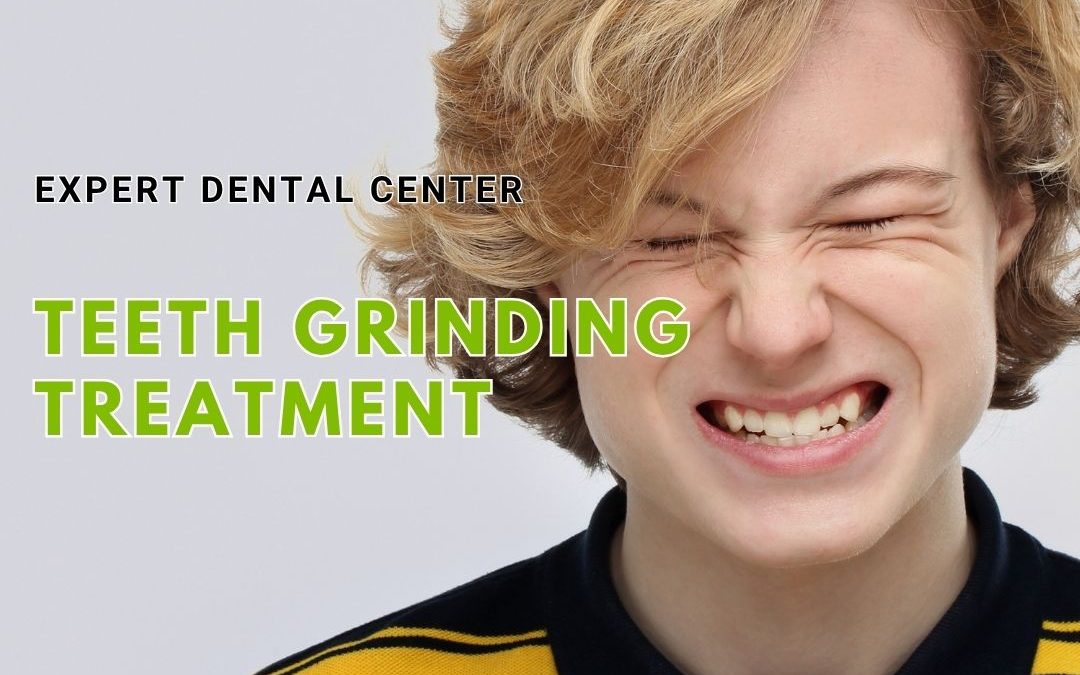
Teeth grinding treatment is an important topic in modern dentistry because this condition can affect dental health, jaw function, and overall quality of life. Therefore, dentists encourage patients not to ignore early symptoms such as jaw pain, recurring headaches, or tooth wear. In addition, teeth grinding often occurs during sleep or periods of emotional stress. On the other hand, prolonged grinding places excessive pressure on teeth and jaw joints. Furthermore, it may lead to tooth sensitivity and structural damage over time. As a result, early diagnosis helps identify the underlying cause and allows dentists to create an effective treatment plan that protects long-term oral health.
Causes of Teeth Grinding and Related Risk Factors
Several factors contribute to teeth grinding, and the causes vary from one person to another. Therefore, dentists conduct comprehensive evaluations before recommending treatment. In addition, stress and anxiety remain among the most common contributing factors. Moreover, sleep disorders and daily habits may increase the likelihood of grinding. Furthermore, bite misalignment can affect how chewing forces distribute across the teeth. As a result, accurate diagnosis plays a key role in determining the most effective treatment strategy.
Teeth Grinding Treatment with Modern Solutions
Teeth grinding treatment depends on the underlying cause and the severity of its effects on the teeth and jaw. Therefore, dentists develop individualized treatment plans based on clinical findings. In addition, night guards help protect teeth from excessive wear. Moreover, relaxation exercises may reduce pressure on jaw muscles. Furthermore, correcting bite problems can improve force distribution and reduce strain. As a result, patients often experience greater comfort and improved oral health.
Signs That Indicate the Need for Teeth Grinding Treatment
Several symptoms may indicate the need for professional dental evaluation. These include worn tooth surfaces, jaw muscle pain, morning headaches, tooth sensitivity, grinding sounds during sleep, cracked teeth or restorations, and difficulty opening the mouth comfortably. In addition, these signs may develop gradually and remain unnoticed for long periods. Consequently, routine dental examinations remain essential for early detection and prevention.
Teeth Grinding Treatment and the Role of Prevention
Prevention plays a major role in reducing the long-term effects of teeth grinding. Therefore, dentists encourage healthy habits that reduce pressure on teeth and jaw muscles. In addition, stress management and proper sleep routines contribute to muscle relaxation. Moreover, regular dental visits help identify early changes before significant damage occurs. As a result, patients can maintain healthier teeth and reduce future complications.
Expert Dental Center in Qatar
Expert Dental Center in Qatar provides advanced solutions for teeth grinding treatment through modern diagnostic and therapeutic technologies. Therefore, the dental team begins with a comprehensive assessment of the teeth and jaw structures. In addition, the center utilizes advanced digital imaging, modern restorative dentistry techniques, digital smile design, endodontic treatments, and 3D diagnostic technologies. Furthermore, the center employs highly qualified dentists who graduated from leading international universities and possess extensive experience across multiple specialties. Moreover, patients benefit from personalized care, professional expertise, and convenient communication with their dental providers. As a result, Expert Dental Center offers comprehensive care that combines innovation, experience, and patient-centered treatment.
If you would like additional consultations or wish to explore advanced treatment options, you can learn more about Expert Dental Center in Qatar by visiting the center’s location in Doha, following its YouTube channel, checking its TikTok account, or visiting the official website online.
Dental Care After Treatment
Proper oral care helps maintain treatment outcomes and reduce recurrence risks. Therefore, dentists recommend consistent use of protective appliances when prescribed. In addition, maintaining excellent oral hygiene supports long-term dental health. Furthermore, jaw exercises may improve muscle relaxation and daily comfort. As a result, patients can preserve healthy teeth and enjoy lasting treatment benefits.
Conclusion
Teeth grinding can significantly affect oral health and quality of life if left untreated. Therefore, early diagnosis remains essential for identifying causes and preventing further damage. In addition, modern dental technologies provide effective solutions that protect teeth and improve patient comfort. Moreover, preventive measures and routine care help maintain treatment results for many years. As a result, patients can enjoy healthier teeth, improved sleep quality, and better overall well-being through proper professional care.