

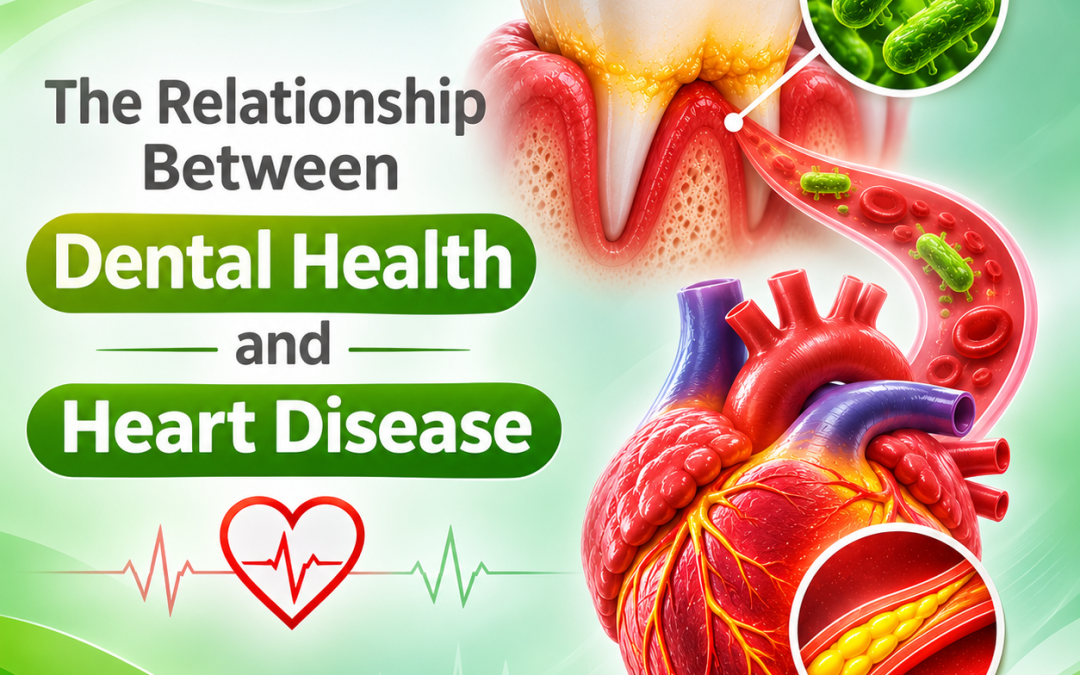
Healthy teeth and gums contribute to more than an attractive smile. They also play an important role in overall health and well-being. Increasingly, researchers have explored the connection between dental health and heart disease. In particular, scientific studies associate chronic periodontal inflammation with certain cardiovascular conditions. Furthermore, oral bacteria can occasionally enter the bloodstream and interact with the immune system. Meanwhile, gum disease and cardiovascular disease share several important risk factors. These include diabetes, smoking, obesity, and aging. However, researchers have not established that gum disease directly causes heart attacks. Therefore, patients should distinguish scientific associations from proven causal relationships. Understanding these findings encourages better oral hygiene and informed preventive care. Ultimately, combining regular dental examinations with cardiovascular risk management supports a healthier lifestyle.
How Does the Connection Between Dental Health and Heart Disease Work?
The mouth contains hundreds of bacterial species that form a complex oral microbiome. Normally, saliva, immune defenses, and effective hygiene help maintain microbial balance. However, dental plaque accumulation can encourage harmful bacterial activity. Consequently, some individuals develop gingivitis or more advanced periodontal disease. Furthermore, inflamed periodontal tissues may allow bacteria and bacterial products to enter the bloodstream. These processes can stimulate immune responses and systemic inflammation. Researchers have also examined their potential effects on blood vessel function. For example, chronic inflammation may contribute to endothelial dysfunction and vascular injury. Nevertheless, diabetes, smoking, and other shared factors complicate this relationship. Therefore, researchers cannot attribute cardiovascular disease solely to oral infections. Instead, they recommend comprehensive prevention that addresses both oral health and established cardiovascular risk factors.
The Connection Between Dental Health and Heart Disease: Infective Endocarditis
Infective endocarditis provides an important example of how oral bacteria can affect certain heart patients. This serious infection involves the heart’s inner lining or valves. During some dental procedures, oral bacteria may temporarily enter the bloodstream. Similarly, brushing and chewing can cause brief episodes of bacteremia. Most healthy people eliminate these bacteria without developing complications. However, individuals with specific cardiac conditions face greater risks. These include patients with prosthetic heart valves or previous infective endocarditis. In susceptible individuals, circulating bacteria may attach to vulnerable cardiac tissues. Consequently, an infection can develop and require urgent treatment. Therefore, dentists sometimes prescribe preventive antibiotics before particular procedures for high-risk patients. Nevertheless, most people with heart disease do not require antibiotic prophylaxis. Accurate medical histories help clinicians identify those who need additional precautions.
Chronic Periodontal Disease and Atherosclerosis
Periodontal disease develops when bacterial plaque triggers inflammation around the teeth. Initially, patients may notice bleeding, swelling, or redness of the gums. However, persistent inflammation can damage periodontal tissues and supporting bone. Furthermore, researchers associate advanced periodontal disease with elevated systemic inflammatory markers. These include C-reactive protein and several inflammatory cytokines. Meanwhile, atherosclerosis develops through complex interactions involving cholesterol, inflammation, and vascular injury. Over time, fatty plaques accumulate inside arterial walls and may restrict blood flow. Consequently, cardiovascular complications can develop in susceptible individuals. Nevertheless, researchers have not confirmed that periodontal disease independently causes atherosclerosis. Smoking, diabetes, hypertension, and elevated cholesterol remain established cardiovascular risk factors. Therefore, patients should combine periodontal treatment with appropriate medical care. This comprehensive approach supports healthier gums and better cardiovascular risk management.
Can Dental Abscesses Cause Heart Complications?
A dental abscess develops when bacteria cause an infection and pus accumulates around a tooth. Typically, patients experience severe toothache, gum swelling, or facial tenderness. Additionally, advanced infections may cause fever and general discomfort. In rare situations, bacteria can spread into surrounding tissues or the bloodstream. Therefore, prompt dental evaluation is essential. Depending on the infection, dentists may recommend drainage, root canal treatment, or tooth extraction. However, not every dental abscess requires antibiotics. Clinicians determine their necessity according to infection severity and systemic symptoms. Furthermore, palpitations during dental pain do not automatically indicate a cardiac infection. Anxiety, pain, and fever can temporarily increase heart rate. Nevertheless, persistent fever or rapidly spreading facial swelling requires urgent assessment. Chest pain and breathing difficulties demand emergency medical attention.
Oral Symptoms Heart Patients Should Never Ignore
-
Frequent Gum Bleeding: Persistent bleeding may indicate gingivitis or periodontal disease.
-
Swollen or Red Gums: Inflammation may require professional examination and periodontal treatment.
-
Loose Teeth: Progressive periodontal disease can damage supporting tissues and bone.
-
Persistent Toothache: Deep decay or dental pulp infection may cause ongoing pain.
-
Dental Abscesses: Facial swelling or pus accumulation requires prompt dental assessment.
-
Persistent Bad Breath: Bacterial buildup and periodontal conditions may contribute to unpleasant breath.
How Diabetes and Smoking Influence Oral and Heart Health
Diabetes and smoking contribute to both periodontal problems and cardiovascular risk. For example, poorly controlled blood glucose can weaken the body’s response to oral infections. Consequently, people with diabetes face a higher risk of periodontal disease. Conversely, severe periodontal inflammation may complicate diabetes management. Furthermore, smoking damages blood vessels and increases the likelihood of cardiovascular complications. It also impairs gum healing and reduces the effectiveness of periodontal treatment. Meanwhile, obesity and physical inactivity can increase cardiometabolic risks. Therefore, effective prevention requires a comprehensive strategy. Patients should monitor blood glucose, control blood pressure, and avoid tobacco products. Additionally, regular dental examinations help identify periodontal inflammation before significant damage occurs. Ultimately, addressing these shared risk factors supports healthier gums and better long-term cardiovascular health.
Can Gum Disease Treatment Reduce Heart Attack Risk?
Periodontal treatment reduces local inflammation and helps protect the tissues supporting teeth. Furthermore, several studies report improvements in systemic inflammatory markers following treatment. Some researchers have also observed changes in vascular function and blood pressure. However, these findings do not establish that periodontal therapy prevents heart attacks or strokes. Improvements in biological markers differ from proven reductions in cardiovascular events. Therefore, patients should avoid interpreting dental treatment as a substitute for cardiac prevention. Dentists recommend periodontal therapy primarily to preserve oral health and prevent tooth loss. Meanwhile, cardiologists focus on controlling established cardiovascular risks. These include smoking, diabetes, hypertension, and high cholesterol. Additionally, coordinated medical and dental care can improve patient management. Consequently, periodontal treatment remains valuable without promising unproven cardiovascular benefits.
Dental Treatment Precautions for Patients With Heart Disease
Some cardiovascular patients need additional assessment before dental procedures. Therefore, patients should inform their dentists about diagnosed heart conditions and prescribed medications. For example, anticoagulants and antiplatelet drugs may affect bleeding during dental treatment. However, patients should never discontinue these medications without professional guidance. Instead, clinicians must consider both bleeding and clotting risks. Furthermore, individuals with certain prosthetic heart valves may require antibiotic prophylaxis before specific procedures. Nevertheless, this recommendation does not apply to every cardiac patient. Dental professionals should follow current clinical guidelines when evaluating eligibility. Additionally, blood pressure assessment may help determine whether elective treatment can proceed safely. In some cases, consultation with a cardiologist provides valuable guidance. Ultimately, coordinated care supports safer procedures and more individualized treatment decisions.
Daily Oral Hygiene Tips for Better Overall Health
- Brush Twice Daily: Use fluoride toothpaste to remove plaque and reduce tooth decay.
- Clean Between Teeth: Use dental floss or interdental brushes to remove plaque from difficult areas.
- Avoid Tobacco: Smoking damages gum tissues and increases cardiovascular risk.
- Limit Sugary Foods: Reducing frequent sugar consumption helps prevent dental cavities.
- Monitor Gum Health: Persistent bleeding or swelling requires professional evaluation.
- Schedule Dental Examinations: Follow a personalized recall schedule based on oral health needs.
- Manage Chronic Conditions: Control diabetes, blood pressure, and cholesterol through appropriate medical care.
The Connection Between Dental Health and Heart Disease at Expert Dental Center in Qatar
Understanding oral and cardiovascular health connections highlights the importance of personalized dental care. This approach becomes particularly relevant for patients managing chronic heart conditions. In Qatar, patients can contact Expert Dental Center to inquire about suitable dental examinations and treatment options. Initially, a comprehensive medical history helps dentists identify potential treatment precautions. Subsequently, a clinical examination allows professionals to evaluate teeth, gums, and supporting tissues. Modern dental technologies can also improve diagnostic accuracy and treatment planning. For example, digital radiography provides detailed dental images. Additionally, cone-beam computed tomography offers three-dimensional imaging when clinically appropriate. Other advanced technologies include intraoral scanners, dental microscopes, and modern endodontic equipment. However, patients should confirm which technologies the center currently offers. Furthermore, qualifications from internationally recognized universities, specialized training, and clinical experience are important indicators of professional expertise. Patients should request verified information about the center’s dentists, academic backgrounds, and specialties. Equally important, clear communication allows patients to discuss medications, medical concerns, and treatment expectations. Finally, individualized follow-up supports early diagnosis and consistent oral healthcare.
If you would like more guidance or advanced care, you can explore the Expert Dental Center in Qatar in person by visiting their location in Doha or check out their latest updates on YouTube and TikTok. For full details and appointment booking, you can visit the official website.
Conclusion: Protecting Your Teeth and Supporting Heart Health
Scientific evidence increasingly highlights the importance of oral health within comprehensive healthcare. Researchers have identified associations between chronic periodontal disease and several cardiovascular conditions. Furthermore, oral bacteria can contribute to infective endocarditis in certain high-risk patients.