

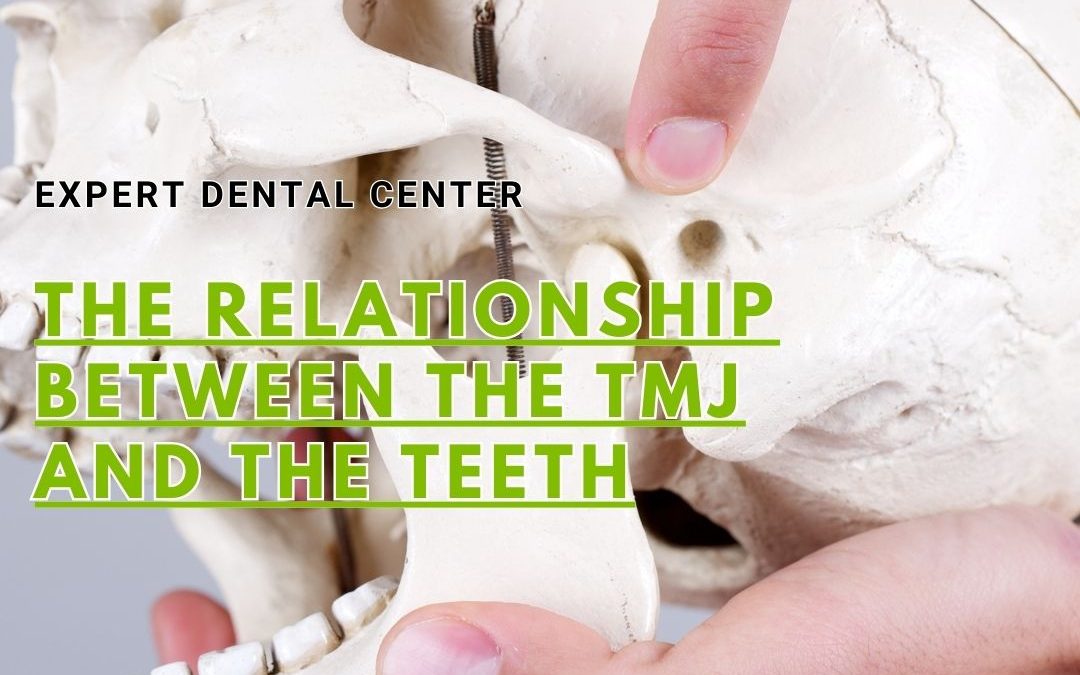
The relationship between the tmj and the teeth stands as a core topic that directly affects oral health and daily quality of life. Therefore, dentists study this connection with great attention. Moreover, understanding this relationship helps explain the causes of jaw and facial pain that many people experience. It also clarifies how tooth alignment influences jaw movement and overall function. From this point, patients realize the importance of caring for dental health to maintain joint balance. In addition, proper awareness helps prevent chronic problems such as headaches and neck pain. For this reason, this topic represents an essential part of a comprehensive oral health evaluation.
What Is the TMJ and Its Main Role
The tmj plays a vital role in daily oral functions such as chewing, speaking, and yawning. It connects the lower jaw to the skull bones, which allows movement in several directions. In addition, the joint works in harmony with muscles and ligaments to ensure smooth motion. Therefore, its performance depends on balance between bones, teeth, and muscles. Even minor imbalance can strain the joint. Furthermore, tooth position directly affects joint stability. For that reason, dentists include joint assessment in any complete oral examination.
The Relationship Between the TMJ and the Teeth and the Effect of Bite Alignment
Tooth position and bite alignment directly affect temporomandibular joint movement. When teeth do not meet correctly, pressure on the joint increases during chewing. Moreover, this imbalance creates constant tension in the jaw muscles. As a result, patients feel repeated pain or discomfort. Some people also notice clicking or popping sounds when opening the mouth. In addition, poor bite balance alters the natural jaw movement path. Therefore, dentists carefully assess bite alignment. They also correct it to reduce joint stress and improve function.
Symptoms of Temporomandibular Joint Disorders Related to the Teeth
Temporomandibular joint disorders related to the teeth appear through several clear symptoms. Patients often feel jaw pain while chewing or speaking. In addition, they may struggle to open the mouth fully. Some experience ear pain or frequent headaches. Because of that, dentists link these symptoms to tooth alignment and bite condition. Furthermore, patients may notice stiffness in facial or neck muscles. Over time, symptoms may worsen without treatment. Early diagnosis helps reduce severity. It also prevents progression into chronic problems that affect daily life.
The Relationship Between the TMJ and the Teeth and Treatment Options
Treatment for temporomandibular joint problems related to the teeth depends on accurate diagnosis. In many cases, the dentist corrects bite alignment to distribute chewing forces evenly. Moreover, oral splints help reduce pressure on the joint. Dentists also recommend specific exercises to improve jaw flexibility. As a result, patients notice gradual improvement. Muscle tension decreases with consistent treatment. In addition, regular follow-up ensures stable results. Through this approach, integrated care protects joint function and supports long-term dental health.
The Role of Orthodontics in Improving Joint Function
Orthodontic treatment helps reorganize teeth and improve bite alignment. In addition, it balances chewing forces more effectively. Therefore, pressure on the tmj decreases. Many patients notice better comfort while eating. Furthermore, orthodontics helps prevent worsening joint disorders. For suitable cases, it offers an effective solution. It also enhances dental appearance. With commitment to the orthodontic plan, patients maintain jaw balance and healthy function over time.
The Relationship Between the TMJ and the Teeth at Expert Dental Center in Qatar
Dentists at Expert Dental Center in Qatar manage cases involving the relationship between the tmj and the teeth according to the highest modern medical standards. First, the team performs a comprehensive evaluation of jaw movement and tooth alignment using advanced digital diagnostics. In addition, the center relies on 3D imaging to analyze bite accuracy. Dentists also use digital treatment planning systems to design personalized plans. Moreover, they apply modern dental treatment techniques that reduce pain and gradually improve joint function. Alongside this, the dental team has extensive experience and advanced clinical skills. Therefore, patients feel confidence and comfort throughout treatment.
If you would like more guidance or advanced care, you can explore the Expert Dental Center in Qatar in person by visiting their location in Doha or check out their latest updates on YouTube and TikTok. For full details and appointment booking, you can visit the official website.
Conclusion
In conclusion, the relationship between the tmj and the teeth represents a fundamental element of oral health and daily function. This connection affects chewing, speech, and facial muscle balance. Moreover, neglecting any imbalance may lead to chronic pain that extends to the head and neck. Therefore, dentists advise early attention to dental health and bite alignment. They also recommend regular checkups to assess joint condition. With early diagnosis and proper treatment, patients maintain stable jaw function and lasting comfort. In this way, quality of life improves, and patients enjoy a healthy, balanced smile for the long term.