

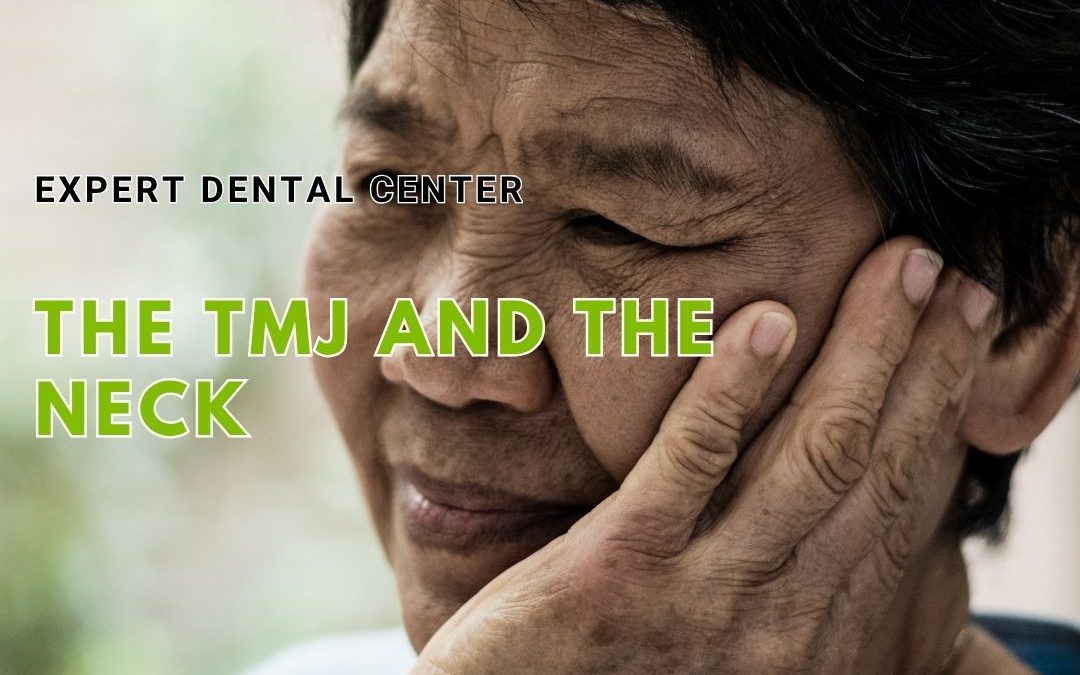
Many people wonder about the relationship between the TMJ and the neck, especially when pain spreads from the jaw to the neck or shoulders. In fact, the jaw joint works closely with several muscles and ligaments that coordinate with the neck muscles during chewing, speaking, and swallowing. As a result, any disturbance affecting the TMJ may also contribute to discomfort in the neck. Likewise, poor head posture and prolonged muscle tension may influence jaw function over time. Understanding this connection helps explain why some patients continue to experience symptoms even when they focus on only one painful area. Therefore, dentists evaluate the entire oral and muscular system to identify the underlying cause and develop a personalized treatment plan.
The TMJ and the Neck: Symptoms That Require Attention
Symptoms of TMJ disorders vary from one person to another. However, several signs commonly appear in many patients. Individuals may experience pain in front of the ear, difficulty opening or closing the mouth, or clicking sounds during jaw movement. In addition, discomfort may extend to the neck and shoulders, particularly while chewing hard foods or after prolonged jaw muscle tension. Some people also notice frequent headaches or facial muscle fatigue upon waking. Consequently, persistent or worsening symptoms should not be ignored because early professional evaluation allows the dentist to determine the cause and recommend the most appropriate treatment.
The TMJ and the Neck: Common Causes
Several factors may affect the normal function of the jaw joint and contribute to neck discomfort. For example, clenching or grinding the teeth places excessive pressure on both the joint and the surrounding muscles. Similarly, bite misalignment may alter jaw movement over time. Facial injuries can also affect joint function, while emotional stress often increases muscle tension in the jaw and neck. Furthermore, everyday habits such as holding a phone between the shoulder and the ear or maintaining poor posture during computer work may worsen symptoms. For these reasons, dentists rely on a comprehensive clinical examination and medical history to determine the primary contributing factors in each individual case.
How Dentists Diagnose TMJ Disorders
Dentists follow a systematic diagnostic process because jaw pain may resemble several other conditions affecting the head or neck. Initially, they review the patient’s medical history and discuss the characteristics of the pain, including when it occurs and what aggravates or relieves it. They then examine jaw movement, measure mouth opening, evaluate the surrounding muscles, and identify areas of tenderness or muscle tension. Bite alignment is also carefully assessed to detect functional abnormalities. When clinically indicated, diagnostic imaging such as dental X-rays, computed tomography (CT), or magnetic resonance imaging (MRI) may be recommended to evaluate specific structures. Finally, the dentist develops a treatment plan based on the complete clinical findings rather than relying on a single symptom.
Approaches That May Help Relieve TMJ Symptoms
Treatment depends on the underlying cause and the severity of the condition. Therefore, dentists create individualized treatment plans after completing a thorough evaluation. In many situations, combining several conservative approaches provides the best outcome. Patients may receive recommendations regarding lifestyle modifications that reduce stress on the jaw joint and surrounding muscles, together with appropriate dental treatment whenever necessary. Regular follow-up appointments also allow the dentist to monitor progress and adjust the treatment plan if needed. Successful management often depends on the patient’s commitment to following professional advice regarding daily habits, posture, and jaw function.
Tips for Maintaining a Healthy Jaw Joint and Neck
Daily habits play an essential role in reducing stress on the jaw joint and supporting healthy neck muscles. Dental professionals commonly recommend:
- Avoid clenching or grinding your teeth whenever possible.
- Choose softer foods during painful episodes.
- Avoid opening your mouth excessively while yawning or eating large foods.
- Maintain proper head and neck posture throughout the day.
- Take regular breaks during prolonged computer work.
- Perform jaw or neck exercises only when recommended by your dentist or physical therapist.
- Schedule professional dental evaluations whenever symptoms persist or recur.
Advanced Care at Expert Dental Center in Qatar
Expert Dental Center in Qatar provides comprehensive evaluation and management for patients experiencing TMJ–related concerns. The dental team recognizes that successful treatment begins with understanding the relationship between the jaw joint, surrounding muscles, and neighboring structures. Every patient receives a detailed clinical assessment that includes evaluating jaw movement, bite alignment, and muscle function before discussing the most suitable treatment options. The center utilizes modern dental technologies, including digital imaging, three-dimensional imaging when clinically indicated, CAD/CAM digital restoration systems, and advanced techniques for fabricating customized oral appliances for selected patients. In addition, many members of the dental team have received education or advanced professional training at internationally recognized universities and academic institutions. They continuously update their knowledge through continuing education and evidence-based clinical practice. Their experience across multiple dental specialties enables them to develop comprehensive treatment plans tailored to each patient’s needs. Furthermore, the team emphasizes clear communication by explaining every stage of treatment and answering patients’ questions in an understandable manner. This patient-centered approach encourages informed decision-making and supports long-term oral health through ongoing professional follow-up.
If you would like more guidance or advanced care, you can explore the Expert Dental Center in Qatar in person by visiting their location in Doha or check out their latest updates on YouTube and TikTok. For full details and appointment booking, you can visit the official website.
Conclusion
Maintaining a healthy TMJ is an important part of overall oral and musculoskeletal health. Persistent jaw pain should never be ignored, particularly when symptoms extend to the neck, shoulders, or head. Early diagnosis enables dental professionals to identify the underlying cause and recommend appropriate treatment before symptoms become more complex. In addition, maintaining healthy daily habits, practicing proper posture, and avoiding activities that overload the jaw joint all contribute to successful long-term management. Every patient presents unique clinical needs, making individualized assessment essential. By combining regular dental follow-up, healthy lifestyle habits, and personalized professional care, patients can improve jaw function, reduce discomfort, and enjoy better oral health and quality of life.