

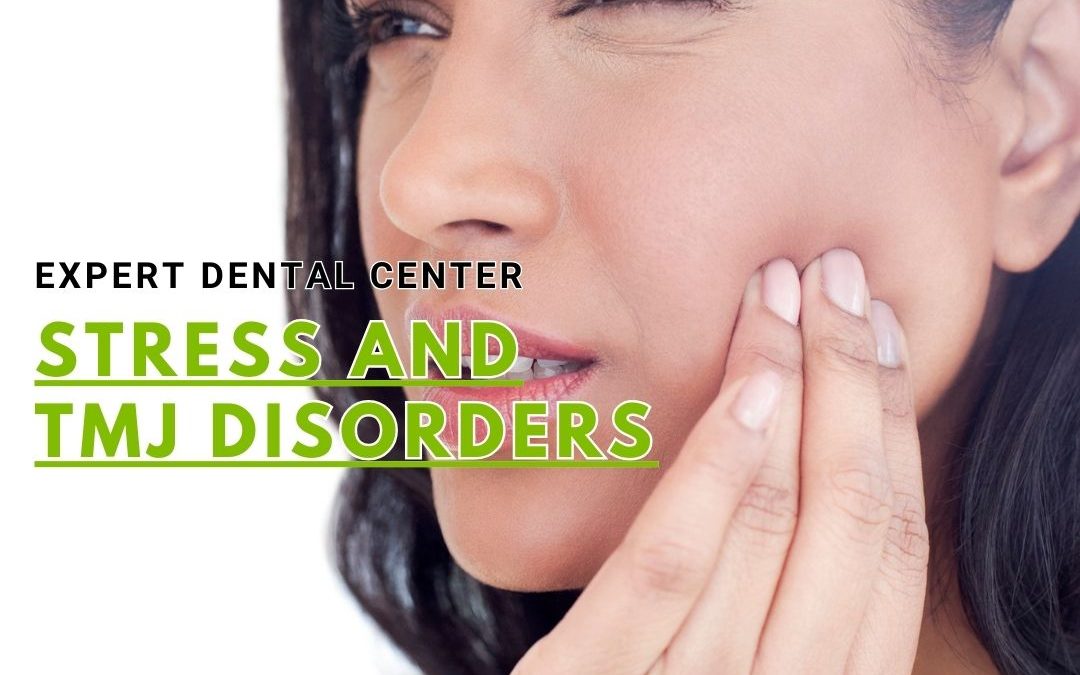
Many people suffer from jaw pain or chronic headaches without knowing the true cause. In many cases, the problem results from excessive stress and psychological pressure, which directly affect the jaw muscles. Recent studies confirm a strong link between stress and the development of TMJ Disorders, making it extremely important to understand this connection in order to maintain both oral and general health.
How Does Stress Affect the Jaw?
Stress directly impacts the muscles of the body, especially those in the face and jaw. When a person goes through stressful situations or lives under constant pressure, the body naturally shifts into a “defensive mode,” which triggers muscle tension. Among the most affected muscles are those in the lower jaw and the temporomandibular joint.
Very often, a person clenches their jaw without realizing it—especially during work, moments of tension, or even while sleeping. This continuous clenching puts extra pressure on the joint, which eventually leads to uncomfortable symptoms such as pain or grinding sounds during movement.
Over time, repeated muscle tension alters the mechanics of the jaw’s movement. This can lead to misalignment, which paves the way for TMJ disorders. The most common symptoms include:
- Chronic joint pain while speaking or chewing
- Clicking or popping sounds when opening or moving the jaw
- A feeling that the jaw is “locking” or not opening smoothly
- Persistent headaches that don’t respond to regular medication
- Ear or neck pain caused by nerve irritation from the affected joint
Additionally, many people grind their teeth while sleeping. This behavior is closely linked to anxiety and stress. Teeth grinding does not only affect the joint—it also causes gradual wear on the teeth, which worsens the condition over time.
Therefore, managing stress through relaxation exercises, deep breathing, proper sleep, and even psychological therapy when needed becomes essential. The more we reduce stress levels, the lower the risk of developing TMJ disorders, which helps maintain jaw comfort and overall well-being.
Signs That Indicate TMJ Disorders
TMJ disorders present a variety of symptoms, many of which are easy to notice. The most common include:
- Persistent pain in the jaw area, especially during long conversations or when eating
- Difficulty chewing, especially with hard or large foods
- Frequent headaches that often start at the temples or extend to the back of the head, and may be misdiagnosed as tension headaches or vision-related
- Neck and shoulder pain caused by continuous facial and jaw muscle tension
- Popping or clicking sounds when opening or closing the mouth—clear signs of joint dysfunction
- A sensation that the jaw “locks” or suddenly snaps shut, making opening or closing the mouth difficult
- Ear pain or continuous ringing, even without any actual ear issue
- Dizziness or imbalance in advanced cases
When these symptoms persist or worsen, it’s important to consult a dentist immediately to prevent complications.
TMJ Disorders and Their Connection to General Health
The effects of TMJ disorders go beyond the jaw. They often extend to the neck, shoulders, and even the spine. A misaligned jaw can disturb the body’s balance and may cause sleep problems or difficulty concentrating. For that reason, addressing TMJ issues is crucial to improving one’s overall quality of life.
Expert Dental Center in Qatar
Expert Dental Center in Qatar provides advanced, effective solutions for treating TMJ disorders. This leading clinic uses modern technologies such as 3D digital imaging, dynamic jaw motion evaluation tools, and laser devices for inflammation treatment. The center also offers customized therapy sessions to realign the jaw and creates transparent night guards to reduce night-time pressure on the joint.
The clinic is home to a team of highly skilled and experienced dentists who specialize in diagnosing and treating TMJ-related issues. They handle each case with precision and professionalism, tailoring every treatment plan to the patient’s specific needs. Additionally, the medical team at Expert Dental Center excels in applying the latest dental technologies, ensuring a smoother and more comfortable experience for every patient.
If you need further guidance or advanced care, you can learn more about Expert Dental Center in Qatar by visiting their location in Doha, or by exploring the clinic’s channel on YouTube, their account on TikTok, or their official website.
Conclusion
Stress can lead to several health issues—TMJ disorders being one of the most common and troubling. That’s why paying attention to symptoms and seeking early treatment is so important. Moreover, managing stress in healthy ways and consulting a dental specialist can help you avoid long-term complications and improve your quality of life.